Glossier's disruption of the beauty industry was not the result of a superior product or a clever advertisement. It was the result of sequence: founder Emily Weiss built an engaged audience first, through the Into The Gloss blog, and only then launched a product brand in 2014 shaped by what that audience said it wanted. The result, as a Harvard Business School case on the company puts it, was a brand that "inserted its community into the buying experience so that the company was merchandising people, their opinions, and their content, just as much as they were merchandising products." Understanding how those pieces connect—audience, co-creation, minimalist aesthetic, digital-first distribution—is the key to analyzing whether the model can be replicated, and where it strains under scale.
The Genesis: From Blog to Beauty Empire
The foundational move predates the brand itself. Weiss did not create Glossier first; she built Into The Gloss, a beauty blog, and listened to what beauty enthusiasts actually wanted before launching a company. That order matters. By the time Glossier arrived in 2014, it debuted into a community that already existed, already trusted the editorial voice behind it, and already had a habit of telling the brand's founder what it liked.
Business analyses of the company consistently identify this as the core lesson: start with an audience, not just a product. The blog functioned as a continuous research engine and a marketing channel simultaneously. Customer feedback was not an afterthought collected post-launch; it was the input that determined what the brand would be. The launch was, in effect, a response to accumulated demand rather than a bet on untested consumer interest.
Audience-First Product Development
The clearest expression of that philosophy is in Glossier's product line. The brand co-created its bestsellers—Boy Brow and Milky Jelly Cleanser among them—by sourcing direct feedback from its audience, with several top sellers originating from customer suggestions. The specific feedback threads behind individual products are not documented in the available reporting, but the process itself is consistently described as central: Glossier looped customers into product development rather than developing in isolation and testing afterward.
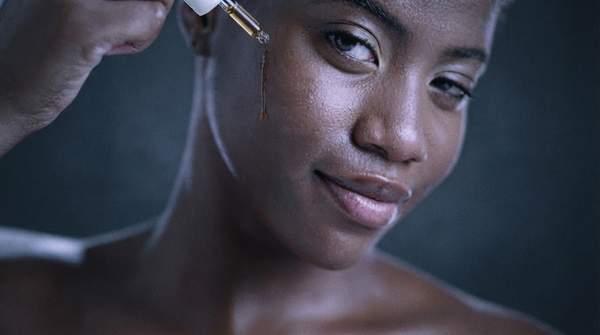
The minimalist aesthetic followed the same logic. Glossier capitalized on a growing shift toward effortless, natural beauty—a dewy, barely-there approach that resonated with Millennial and Gen Z consumers craving authenticity over the heavy, full-glam looks of legacy brands. Its "skin first" positioning and embrace of imperfections challenged prevailing beauty norms and, according to marketing analyses of the brand, helped shape a cultural movement whose influence persists in current beauty trends. The aesthetic was not a styling choice layered onto the products; it was a direct translation of what the blog's community had signaled it wanted.