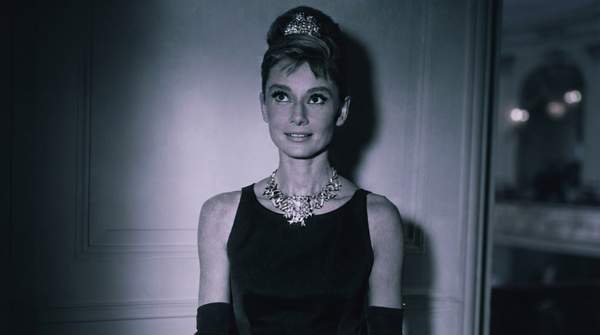
Cinema's power over fashion is not a matter of vague inspiration; it is a documented chain of events in which a single costume travels from screen to Vogue's pages to the high street. The clearest cases are three: Faye Dunaway's thirties-style wardrobe in Bonnie and Clyde, which has been credited with relaunching the beret and cardigan; Diane Keaton's androgynous Annie Hall ensemble, created by American designer Ralph Lauren, which was swiftly copied at every price point; and Audrey Hepburn's Givenchy-clad turn in Breakfast at Tiffany's, which cemented the little black dress as a global wardrobe fixture. Understanding how these looks crossed from costume to culture requires examining both the psychology of the audience and the commercial machinery waiting to meet it.
Iconic Film Fashion Moments and Their Real-World Impact
The influence of these films worked at different scales, and the distinction matters. Some screen moments launched a specific item—a beret, a cardigan—while others shifted an entire silhouette and the values attached to it. A scholarly overview of film's relationship with fashion notes that Dunaway's Bonnie and Clyde wardrobe was credited with reviving 1930s elements for contemporary audiences, while Keaton's Annie Hall look moved through the rarefied and the everyday at once: it was copied in the exclusive pages of Vogue and on the high street, and by the late 1970s and early 1980s, women wearing masculine trousers, shirts, and waistcoats were, in that account, the epitome of chic.
The Annie Hall case is especially instructive because of its authorship and its reach. The androgynous ensemble was created by Ralph Lauren, giving the look an explicit high-fashion pedigree, yet its adoption was emphatically democratic. The same academic analysis frames this as film's true democratization: although fans cannot literally become their favorite stars, they can mimic and emulate them through fashion. The look was associated so closely with Keaton's character that wearing it signaled a sensibility, not merely a purchase.
Breakfast at Tiffany's represents the third mode: elevation rather than invention. The little black dress was already a fashion staple before the film, but the picture secured its iconic status. Fashion journalist Lara Galan's retrospective on cinematic style describes the 1961 film as widely regarded as one of the most fashion-influential movies ever made, attributing that standing largely to Hepburn's Givenchy wardrobe and the dress's enduring global legacy. The qualification is important: the film did not create the garment, it canonized it.