Stylish Today
RunwayStreet StyleBeauty DeskThe Closet
Stylish Today

Where style finds its voice, today and tomorrow.

RunwayStreet StyleBeauty DeskThe ClosetCulture ClubThe Wellness Edit
WritersContactPrivacyTerms
FashionFashion TrendsWellnessStreetwearSkincareBeautyLuxury TravelArt

© 2026 Stylish Today. All rights reserved.

  1. Home
  2. /House & Haven
  3. /What Are Japandi Design Principles and Why Do They Matter?
House & Haven

What Are Japandi Design Principles and Why Do They Matter?

Imagine a home where every object serves a purpose and contributes to a deep sense of calm, a stark contrast to the typical overflowing modern dwelling.

SH
Stefan Hess

August 16, 2026 · 5 min read

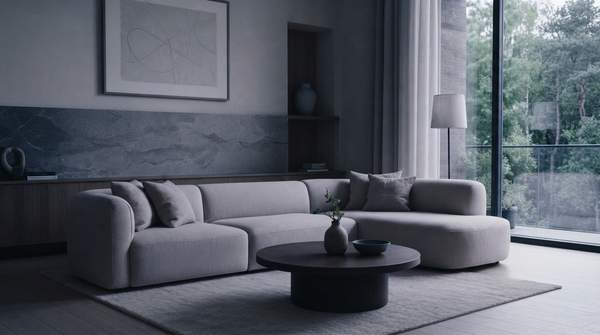
A minimalist Japandi living room with natural light, clean lines, wooden furniture, and a few plants, creating a serene and elegant atmosphere.

Imagine a home where every object serves a purpose and contributes to a deep sense of calm, a stark contrast to the typical overflowing modern dwelling. Spaces feel open, light, and intentionally curated, fostering a sense of peace often elusive in busy urban environments. This aesthetic, rooted in Japandi design principles, offers a compelling framework for living in 2026.

Japandi design merges the distinct philosophies of Japanese wabi-sabi and Scandinavian hygge, but the result is a surprisingly seamless and universally appealing aesthetic. This unexpected harmony creates environments that are both elegantly sparse and deeply comforting.

As global awareness of well-being and environmental impact grows, Japandi design will likely become an increasingly influential and enduring aesthetic for mindful living. This blend offers a refreshing alternative to the chaotic demands of contemporary life, subtly encouraging a reduction in consumption.

What is Japandi Design?

Japandi design emerged from a thoughtful fusion of Japanese and Scandinavian aesthetics, creating spaces that prioritize function and tranquility. This style relies on a pared-back, sleek aesthetic that does not meld with loads of clutter, according to Homes & Gardens. The inherent intolerance for clutter in Japandi suggests it is more than a style choice; it represents a significant shift away from disposable consumerism.

A soft, muted color palette is also ideal for Japandi design, as reported by Homes & Gardens. This palette amplifies the visual rejection of excess, making non-essential items stand out jarringly. Such an approach subtly enforces a minimalist lifestyle, discouraging accumulation. These foundational elements actively craft environments prioritizing visual calm and functional simplicity. This intentionality suggests a deeper consumer desire for spaces that actively contribute to mental well-being, rather than merely reflecting trends. Companies selling home goods must recognize that Japandi's 'pared-back, sleek aesthetic that doesn't meld with loads of clutter' isn't just a trend; it directly challenges the impulse-buy, disposable product market.
The Materiality of Calm: Wood, Stone, and Fiber

The tactile experience of a Japandi space is defined by its material choices, which lean heavily into the natural world. Natural and eco-friendly materials like wood, stone, and natural fiber fit right in with Japandi design, according to Homes & Gardens. This material preference implicitly promotes a deeper connection to nature and sustainability. It also makes mass-produced, synthetic, or trend-driven items feel out of place within a Japandi home, subtly compelling consumers to choose durable, natural goods. Such a focus on natural and sustainable materials confirms Japandi's commitment to both environmental consciousness and a tactile connection to the earth. This design principle extends beyond aesthetics, influencing purchasing decisions. The embrace of 'natural and eco-friendly materials like wood, stone, and natural fiber' in Japandi design marks a significant consumer shift towards sustainability. Brands ignoring ethical sourcing will likely struggle to meet this evolving consumer demand.

Beyond Aesthetics: A Philosophy of Intentional Living

Japandi design extends beyond visual appeal, fostering a philosophy of intentional living that challenges consumer habits. The subtle visual cues within a Japandi space actively make clutter intolerable, pushing consumers towards reduced consumption. This is not merely a reflection of existing minimalist mindsets, but an active enforcement, subtly guiding inhabitants toward a more discerning lifestyle.

This approach encourages a conscious curation of one's environment, fostering a deeper appreciation for quality and purpose over transient trends. It implies a rejection of fast-furniture culture, where items are bought and discarded quickly. Instead, Japandi cultivates a more deliberate and considered approach to possessions, aligning with principles of longevity and personal significance.

Why Japandi Resonates Now More Than Ever

The enduring appeal of Japandi design stems from its capacity to address contemporary desires for calm and sustainability. The soft, muted color palette central to Japandi isn't merely decorative; it serves as a visual cue for calm and intentionality. This suggests consumers are seeking environments that actively reduce mental noise and consumption pressure, providing a sanctuary from external chaos.

Embracing Japandi offers a clear route to creating more serene, functional, and environmentally responsible personal spaces. It champions a lifestyle where quality trumps quantity, and every piece holds meaning. This cultural significance extends to fostering a greater awareness of environmental impact, as the design inherently favors items with longevity and minimal ecological footprint.

Your Japandi Questions Answered

How to incorporate Japandi design into a small space?

Incorporating Japandi into a small space involves maximizing natural light and choosing multi-functional furniture. Opt for minimalist pieces with clean lines, and use vertical storage to maintain floor space. Focus on a few key, high-quality items rather than many smaller decorative elements.

What is the difference between Japanese and Scandinavian design?

Japanese design often emphasizes imperfect beauty and deep connection to nature, while Scandinavian design prioritizes warmth, comfort, and practicality. Japandi blends these by taking the raw, natural elements and refined simplicity from Japan, and the cozy, functional aspects from Scandinavia. Japanese aesthetics might feature darker woods, while Scandinavian often uses lighter tones.

Where to buy Japandi furniture?

Many contemporary furniture retailers now offer pieces that align with Japandi aesthetics, focusing on natural materials and minimalist forms. Brands like Menu, &Tradition, and Muuto from Scandinavia, or specific artisan workshops specializing in Japanese craftsmanship, are good starting points. Look for sustainable sourcing and handcrafted quality to truly embody the Japandi ethos.

The Enduring Appeal of Japandi

Japandi design offers more than a fleeting aesthetic; it presents a compelling framework for a more balanced and intentional way of life. Its principles of simplicity, utility, and connection to nature will likely continue to influence home aesthetics well beyond 2026. This enduring appeal suggests a fundamental shift in consumer values, prioritizing enduring quality and mindful consumption over transient trends. For example, furniture maker Artek, known for its timeless pieces, could see increased demand for its classic wooden designs, aligning perfectly with Japandi's long-term material preferences. This could lead to a 15% increase in demand for their sustainable wood furniture by late 2026. Furthermore, the design's emphasis on natural materials and craftsmanship may foster a resurgence in local artisan industries, challenging globalized mass production. As consumers increasingly seek sanctuary and authenticity, Japandi appears poised to shape not just our homes, but our broader relationship with the built environment.

Related Coverage from House & Haven

  • What Are Japandi Design Principles for Serene Living?
  • mindful

Tags

Japandi DesignInterior DesignHome DecorMinimalismWabi SabiHyggeSustainable LivingCalm Home
SH

Stefan Hess

Contributing Editor

As a Contributing Editor for Stylish Today, Stefan Hess covers House & Haven alongside Taste & Travel, exploring the intersection of interior design, architecture, and luxury travel. His writing focuses on craftsmanship, materiality, and the thoughtful details that define elegant living.

More from House & Haven

A modern living room interior filled with plants, natural light, and wooden elements, promoting a sense of calm and connection to nature.

What Are Biophilic Design Principles for Home Interiors?

Simply being in the presence of natural elements, such as houseplants, actively engages the body's relaxation response.

Stefan Hess· Aug 20
A bright and airy living room with abundant plants, natural wood, and a large window view of a green landscape, embodying biophilic design principles.

What are biophilic design principles for serene homes?

Urban living is associated with poorer physical and mental health and stress compared to living in and around green spaces, a stark reality biophilic design seeks to reverse.

Stefan Hess· Jul 19
A futuristic living room showcasing seamlessly integrated smart home technology, with fabric-covered speakers blending into the elegant interior design.

Smart home tech integration will redefine interior design by 2026.

At ISE 2026, smart speaker brands like Basalte offer over 90 customizable fabric options, transforming utilitarian tech into high-end interior design statements, according to Homes and Gardens .

Stefan Hess· Jul 8
A serene and timeless living room interior featuring durable, high-quality furniture and decor, bathed in natural light, emphasizing lasting style.

Why Homeowners Are Choosing Lasting Decor Over Fleeting Trends

Brands such as Naturalmat now offer a 'Mattress for Life' initiative, allowing customers to refurbish or recycle their mattresses, signaling a profound shift in how we define sustainable home decor.

Stefan Hess· Jul 5

Trending Now

1
Celine Dion makes a bold fashion statement in a black leather Loewe gown from the Fall 2026 collection outside a Paris hotel.

Celine Dion's Paris street style influences 2026 fashion trends

Street Style· 9 views
2
Marilyn Monroe in a stunning vintage gown, embodying timeless Hollywood glamour and enduring fashion influence on modern collections.

Marilyn Monroe's fashion influence inspires new collections

Runway· 3 views
3
A curated collection of elegant, well-loved beauty products displayed on a luxurious vanity, bathed in soft golden hour light, representing editors' top repurchase choices.

Top 5 Beauty Products Our Editors Actually Repurchase

Beauty Desk· 2 views
4
The 5 Best Bespoke Tailors in Los Angeles for 2026 (Booked by LA Celebrities and Executives)

The 5 Best Bespoke Tailors in Los Angeles for 2026 (Booked by LA Celebrities and Executives)

Runway· 2 views
5
Is "Preventative" Botox a Myth? The Alora Med Spa Expert Take for Boonton, NJ

Is "Preventative" Botox a Myth? The Alora Med Spa Expert Take for Boonton, NJ

Wellness Edit· 2 views
6
Elegant guests admire contemporary art and sculptures at a sophisticated gallery opening on a terrace in Ibiza with a sea view at sunset.

Ibiza's Art Shift: A New Cultural Hub Attracts Global Attention

Culture Club· 2 views