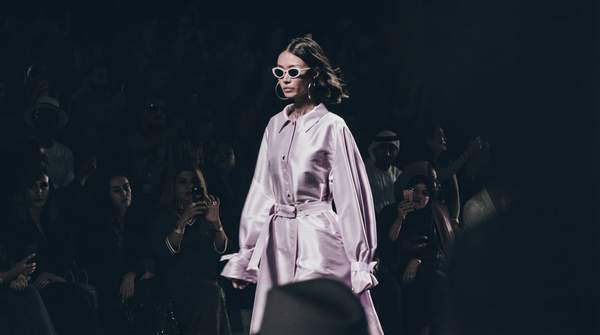
There is no single "digital fashion week" — and that's the key to understanding how the industry has changed. What began as an emergency pivot in 2020 has matured into at least four distinct formats: hybrid "phygital" shows, fully virtual worlds built on VR and gaming platforms, enhanced livestreams, and creative content platforms. Each one makes a different bargain between reach, creativity, and environmental cost. Here's how to tell them apart, and what each trade-off actually looks like in practice.
Introduction: The Evolution of Fashion Weeks
When physical shows became impossible, fashion houses didn't simply move the runway to a webcam. They experimented — and the experiments diverged quickly. Some brands, like Ermenegildo Zegna, staged what Vogue's Eliseé Browchuk described as a "phygital" show to launch a collection, keeping a physical core while broadcasting to a wider audience. Others, like the British Fashion Council, built an editorial platform where brands shared podcasts and photo diaries rather than filmed runway walks. Still others pushed into immersive virtual spaces entirely.
What emerged isn't one replacement for the traditional fashion week but a spectrum. Writing in The Interline, Emma Feldner-Busztin highlighted Digital Fashion Week New York as an event "breaking ground in combining the best of the digital and physical worlds" — a sign that the most durable innovations may be the ones that refuse to choose between the two.
Understanding Digital Fashion Week Formats
Before comparing them, it helps to define what each format actually is. Phygital shows pair a real, often intimate physical event with a digital broadcast or digital counterpart of the garments. Fully virtual worlds stage shows inside VR or gaming environments, with no physical venue at all. Enhanced livestreams keep the traditional show format but open it to a global online audience with interactive features. Creative content platforms abandon the show model entirely, assembling films, podcasts, photo diaries, and panels into a curated digital program.
The distinctions matter because the formats serve different goals. A glossary overview from Photogenics Media frames digital fashion weeks broadly as online events that "showcase fashion collections through various digital formats," but the interesting story is in how differently those formats behave — from Balenciaga's buzz-generating VR concept to the British Fashion Council's three-day week of podcasts and photo diaries under its new editorial website.
Digital Fashion Week Formats: A Comparative Overview
Here's the comparison at a glance. Read each row as a strategic choice: what the format buys you, what it costs, and who has actually done it.
| Format | Audience Accessibility | Creative Potential | Sustainability Impact | Example |
|---|---|---|---|---|
| Phygital Shows | Combines an intimate physical experience with global digital reach | Blends physical garments with digital counterparts, including "digital twins" of each look | Aims for measurable impact through scalable tech; Digital Fashion Week New York promotes digital twins eliminating physical sampling | Ermenegildo Zegna's "phygital" show; Digital Fashion Week New York |
| Fully Virtual (VR/Gaming) | High barriers to entry and low audience numbers have challenged metaverse fashion weeks | Highly imaginative immersive environments, though The Interline's investigators found artistic ambition constrained by crude creative toolsets | Computation adds an environmental burden, though reduced travel likely keeps it below physical shows | Balenciaga's VR fashion show concept |
| Enhanced Livestreams | Global reach with direct viewer interaction — commenting and asking questions during shows | Extends the traditional runway rather than reinventing it | Reduced travel and set-building emissions compared with physical-only events | Burberry's live social media interactions during its show |
| Creative Content Platforms | Open, on-demand access through editorial websites and social channels | Diverse formats — podcasts, photo diaries, films, panels — free from runway conventions | Virtual samples can replace physical garments, streamlining production | The British Fashion Council's three-day digital week |
The pattern the table reveals: the more immersive the format, the higher the barrier to entry. Metaverse events promise the most creative freedom but, as The Interline's reporting on metaverse fashion weeks found, have contended with "a conflicted clash of inclusivity and high barriers to entry, low audience numbers and continued brand investment." Livestreams and content platforms reach far more people with far less friction — they just do less to reinvent what a fashion show can be. The phygital model sits deliberately in between, which is precisely why it has persisted.
The 'Phygital' Model: Blending Real and Virtual
So how does phygital actually work? The clearest example is Digital Fashion Week New York. As Feldner-Busztin reported, designers invited to the event create a mini-collection of ten or more looks for a physical runway show — and a digital twin for each physical item. The garment exists twice: once on a body in the room, once as a digital asset that can travel anywhere.
Founder Clare Tattersall put it plainly: "Digital Fashion Week New York is different from traditional shows in every aspect." The event's own materials expand on the concept's practical stakes — panel programming covering digital twins eliminating physical sampling, agentic AI optimizing design and material choices, and a parallel track on fashion's opportunities in gaming, where virtual goods create new revenue streams and access to younger audiences.
The phygital logic predates the pandemic's aftermath, too. When Ermenegildo Zegna staged its "phygital" show, its creative leadership framed alternative formats as a way "to communicate my creative process to an even wider audience." That's the essential bargain: keep the intimacy and craft of a physical show, then multiply its reach and lifespan digitally. Digital Fashion Week New York's recaps show the model in action across cities — a phygital runway show at the Westfield World Trade Center in New York, film screenings and phygital runway shows in Paris, and a London edition hosted at Epic Games' Innovation Hub.
Conclusion: The Future of Fashion Showcasing
Where does this leave the reader trying to make sense of an event announcement, or a brand weighing its options? The honest answer is that sustainability claims deserve particular scrutiny. The environmental case for digital formats rests on general principles — reduced travel, fewer physical samples, less set construction — not on published carbon accounting. And fully virtual formats carry their own computational burden, which Photogenics Media's overview acknowledges needs to be weighed against the travel emissions they avoid. No format is automatically the green choice.
What the evidence does support is a framework, not a verdict. If the goal is maximum audience reach with minimal friction, livestreams and content platforms win. If the goal is pushing creative boundaries, virtual worlds offer the most room — at the highest risk of empty rooms. And if the goal is durability — experiences that feel real to the people in the room and scale beyond it — the phygital model, with its digital twins and hybrid runways, has proven the most persistent shape.
Navigating the Digital Fashion Landscape
Brands and attendees should evaluate digital fashion week formats based on their specific priorities for audience reach, creative expression, and environmental impact. Ask three questions of any event: who can actually access it, what can the format do that a traditional show cannot, and what does the sustainability claim concretely rest on?
The measurable indicator to watch is the continued evolution of hybrid "phygital" events and the adoption rates of immersive virtual platforms. If phygital shows keep multiplying across cities — as Digital Fashion Week New York's expansion from New York to Paris and London suggests — while metaverse fashion weeks continue to struggle with low audience numbers, the industry's answer will be legible in the event calendars themselves.
Sources
- Digital Fashion Weeks and Virtual Shows: A Rundown of Fashion’s New Rhythm — Vogue
- Where Digital And Physical Collide: The New Era of Digital Fashion Shows — The Interline
- Digital Fashion Week New York
- Digital Fashion Week: What Happens and How to Take Part — Photogenics Media
- Recap videos — Digital Fashion Week New York