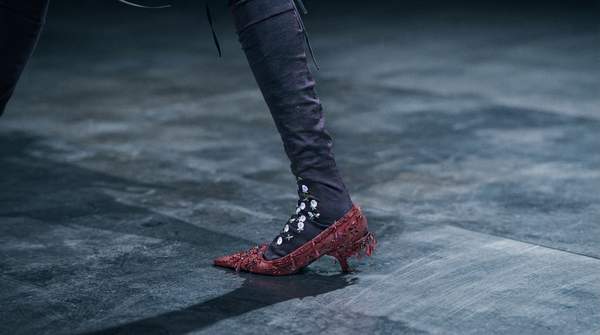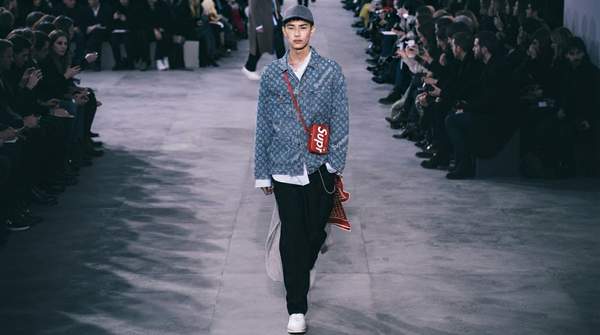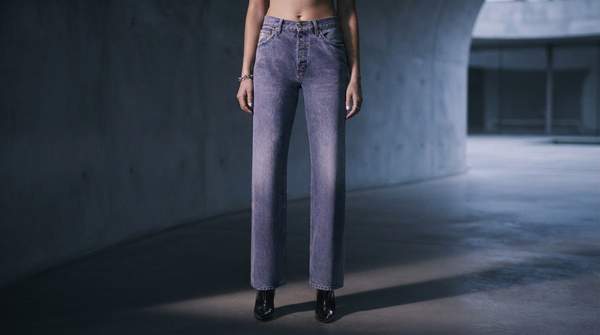
Every denim wash tells two stories at once: one about a production technique, and one about the people who claimed it. The fabric that started as practical factory and military workwear became, decade by decade, a running commentary on youth culture—unwashed and defiant in the post-war years, bleach-mottled and glossy in the 1980s, oversized under the influence of hip-hop in the 1990s, and ripped apart altogether as grunge and rock aesthetics took hold in the early 2000s. Read the washes in order, and you get a usable timeline of Western fashion's cultural shifts.
A Chronology of Denim Washes and Cultural Impact
Here is the full sequence in one view: each major finish, the era that popularized it, and the cultural movement it came to represent. The reasoning is chronological—each finish built on or reacted against the one before it, which is why the order matters as much as the entries themselves.
| Era | Key Wash / Finish | Associated Cultural Movement / Trend |
|---|---|---|
| 1940s–1960s | Raw, unwashed denim | Utility workwear repurposed into post-war youth rebellion and nonconformity; denim workwear also became associated with women's empowerment through figures like Rosie the Riveter |
| 1980s | Acid wash (bleach-soaked stones tumbled with jeans) | Mainstream fashion edge; the decade designers first launched premium denim lines |
| 1990s | Baggy jeans and dungarees; boot cut and wide-legged styles | Hip-hop culture and pop groups such as TLC, the Spice Girls and Destiny's Child; relaxed, oversized silhouettes |
| 2000s | Distressed denim with rips, tears and fading | Grunge, punk and rock aesthetics; an anti-establishment, rebellious image |
The pattern to notice: denim's finishes moved steadily further from "new." Raw fabric was pristine but rugged; acid wash simulated years of wear on unworn jeans; distressed denim abandoned the simulation entirely and cut the damage in by hand. Each step tracked a culture more comfortable wearing its resistance visibly.
The Genesis of Raw Denim: Post-War Rebellion (1940s–1960s)
Denim's first era had nothing to do with fashion statements. As the Italian mill Candiani recounts in its cultural history of jeans, the fabric was prized for toughness and ease of production, and its big civilian breakthrough came after the Second World War, when surplus military clothing was sold or repurposed into the broader apparel market and adopted into post-war youth culture.
That same account notes a second, quieter cultural turn: with men fighting overseas, women filled factory labor roles wearing traditional denim workwear, and the fabric became associated with women's empowerment—crystallized in Rosie the Riveter, an emblem of feminism and women's rising economic power.
Raw denim in this period was simply denim as it came off the loom: stiff, dark, unwashed. But as WiesMade, a denim-focused maker, describes it, raw denim has a distinctive property—it gradually personalizes to the wearer, developing a patina and fading patterns as unique as their movements. That maturing quality is precisely what later rebellions found useful: a pair of jeans that visibly recorded its own history looked less like a purchased product and more like lived experience. Rebellion, as Candiani puts it, played a crucial role in the evolution of jeans—and unwashed denim was the raw material for it.