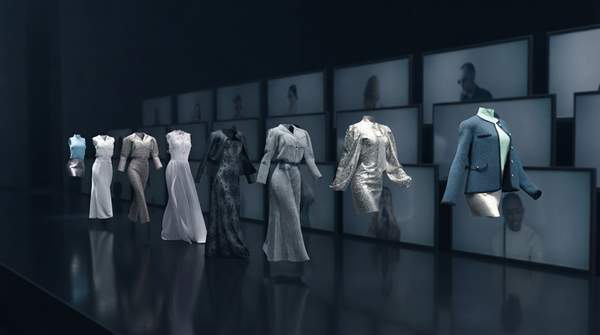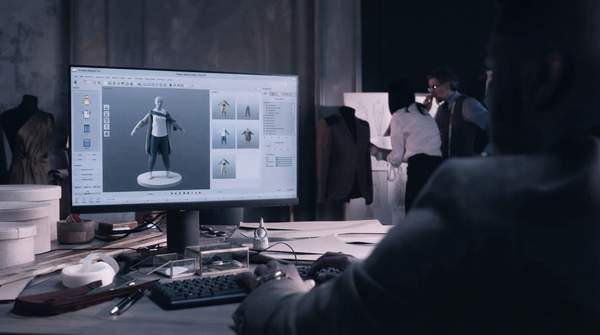
Every realistic virtual jacket, gown, or sneaker that an avatar wears in a game or metaverse platform begins life as something surprisingly traditional: a flat, two-dimensional pattern. The craft of digital fashion rests on a four-stage workflow—concept and 2D pattern design, 3D assembly driven by cloth physics, texturing and rendering, and finally export to a target platform. Understanding what happens inside each stage, and why technologies like physics simulation matter, is what separates a convincing digital garment from a stiff, plastic-looking one.
The Digital Fashion Design Workflow: An Overview
Digital garment creation replaces physical sampling with digital processes, which enables faster iteration, realistic visualization, and multi-platform deployment of fashion assets, as industry guides to the field describe it. Rather than cutting muslin and sewing a test garment, a designer works entirely in software, moving from sketch to simulated 3D garment to exported asset. The workflow is sequential but iterative: a fit problem discovered during simulation sends the designer back to the pattern, just as a physical tailor would revise a paper template. What makes the process distinctive is that the same digital asset can end its journey in radically different places—a rendered marketing image, a wearable game item, or a blockchain-recorded collectible—depending on how the final stage is handled.
Stage 1: Concept and 2D Pattern Design
The initial stage of digital garment creation involves developing a design concept that outlines the garment's style, silhouette, and purpose within a digital environment. Designers then produce digital sketches, visual references, or concept boards, which are converted into a structured virtual design plan that guides modeling and simulation. This planning phase is detailed in production guides for fashion brands, which cover garment briefs and digital patterns before any 3D work begins. The garment's intended destination—an avatar skin, a collectible, a try-on asset—shapes decisions made during this phase. The pattern pieces themselves are flat, closed shapes, directly analogous to the tissue patterns of traditional dressmaking.
Practitioner guides to designing clothes digitally describe this as flat sketching: the designer drafts the garment's components in two dimensions before any fabric behavior comes into play. Getting the pattern right at this stage determines everything downstream, since the 3D garment is assembled from exactly these pieces.