Asked what advice she wished she had received at the beginning of her marriage, Dr. Diane Pomerantz answered, “Trust what I saw.” She added that she should not have ignored what she had observed, a reflection that carries particular weight because she was already a trained psychologist when the relationship began.
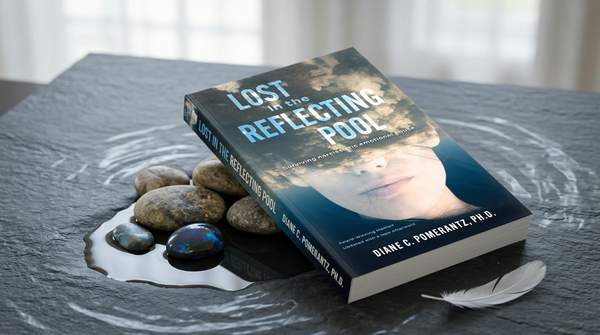
In interviews about Lost in the Reflecting Pool: Surviving Narcissistic Emotional Abuse, Dr. Pomerantz has spoken about the warning signs she recognized but did not act upon. Her experience raises questions about the difference between noticing troubling behavior and accepting what it may reveal about a relationship.
When Charm and Troubling Behavior Coexist
Dr. Pomerantz has described the man she married as intelligent, charming, and capable of deeply appealing gestures. Flowers were one of his specialties, and she recalled an occasion when he drove two hours through a snowstorm to clear her car while she was attending a conference.
Those experiences contributed to the attraction she felt. They also help explain why the relationship was meaningful to her, despite behavior that would later become increasingly difficult to understand.
Dr. Pomerantz recognizes charm as a positive human quality. She has spoken about the warmth and energy that naturally charming people can bring to their relationships, while also examining how affection and attentiveness operated within her particular marriage.
The concerning behavior developed alongside experiences that gave her reasons to remain hopeful. As the relationship progressed, her husband became increasingly critical and controlling, yet the earlier attachment continued to influence how she understood him.
This combination makes her story psychologically interesting. She had experiences that appeared to confirm the relationship’s promise while also encountering behavior that challenged her confidence in its future.
The tension between those observations became part of the narrative she later examined. Recognizing one side of the relationship did not automatically resolve the contradictions created by the other.
Noticing a Problem Before Understanding the Pattern
Dr. Pomerantz has acknowledged that she saw warning signs of narcissistic behavior early in the relationship. Her professional training had given her knowledge of the characteristics she would eventually connect with her former husband.
Recognizing those characteristics in a personal relationship proved more complicated. She was emotionally involved, attracted to her partner, and invested in the future they were beginning to create.
A troubling incident can initially appear isolated. Someone may interpret a cutting remark as the result of a stressful day or regard an unreasonable demand as a temporary reaction to disappointment.
A repeated pattern raises different questions. If criticism becomes frequent, disagreements regularly end with one person yielding, or ordinary decisions increasingly require another person’s approval, the relationship may be changing in ways that deserve attention.
Dr. Pomerantz’s memoir follows that gradual development. Her husband’s controlling behavior became more pronounced, and the emotional consequences of the relationship affected her confidence and sense of independence.
Her later advice reflects the distance between noticing troubling behavior and responding to it. She urges people to take their observations seriously rather than automatically setting them aside because the relationship also contains affection and hope.
What Repeated Criticism Can Change
Criticism affects a relationship through its frequency, severity, and the circumstances in which it occurs. A disagreement about a decision is different from repeated humiliation or an effort to make someone feel incapable of making decisions independently.
The distinction becomes apparent in ordinary interactions. Someone may begin avoiding subjects that provoke disapproval or changing plans without discussion because the anticipated reaction feels too difficult to manage.
Over time, those adjustments can influence how freely a person speaks. A preference that once seemed easy to express may become something to conceal, while disagreement may begin to feel more threatening than the issue being discussed.
Dr. Pomerantz has written about the loss of voice she experienced during her marriage. Her account describes an increasing difficulty trusting her own perceptions and recognizing the extent to which her husband’s behavior was affecting her.
The changes occurred within a life that also included professional responsibilities, raising children, and confronting serious illness. These circumstances give the memoir a fuller picture of the relationship’s development and the challenges involved in understanding it.
Someone noticing similar patterns may find it helpful to examine specific incidents rather than relying on a general impression of the relationship. What happened during the disagreement, how did each person respond, and was the concern taken seriously afterward?
Such questions focus attention on conduct that can be observed and discussed. They also make it easier to recognize when behavior has become a recurring part of the relationship rather than an occasional conflict.
The Right to Disagree and Maintain Boundaries
Healthy relationships allow room for different opinions and personal needs. Partners may disagree about money, responsibilities, friendships, or family decisions without requiring one person to surrender the right to express a perspective.
Trouble can develop when disagreement consistently produces intimidation, punishment, or an effort to undermine the other person’s confidence. Someone may gradually learn that keeping the peace requires abandoning ordinary boundaries.
Dr. Pomerantz examines this pattern in her writing about emotional abuse. She has reflected on how difficult it became to assert herself and how much of her energy was directed toward managing the relationship.
The ability to raise a concern is therefore worth examining. A partner’s response can reveal whether a disagreement becomes an opportunity for discussion or another occasion for criticism and control.
An acknowledgment of hurtful behavior also carries significance when it is followed by a genuine effort to change. Repeated promises that leave the same behavior untouched may deepen uncertainty rather than resolve it.
Dr. Pomerantz’s experience encourages attention to what happens over time. The pattern of behavior and its effect on the relationship provide more information than any single affectionate gesture or apology.
Why Connections Outside the Relationship Are Essential
In her Literary Titan interview, Dr. Pomerantz emphasized the importance of maintaining a support system during a harmful relationship. She specifically warned against allowing a partner to become the reason someone loses contact with friends and family.
These connections provide companionship and practical help, but they also preserve relationships that exist independently of the romantic partnership. People need opportunities to discuss experiences and maintain interests beyond the life they share with a partner.
Isolation can develop gradually. A person may stop visiting friends because every outing leads to an argument, or avoid discussing problems with relatives because explaining the relationship has become uncomfortable.
With fewer outside conversations, troubling experiences can become harder to evaluate. Someone may become increasingly dependent on the partner’s explanation of events while having fewer opportunities to hear another perspective.
Dr. Pomerantz has described the support she received from friends, family, and medical professionals during the difficult years of her marriage and cancer treatment. They accompanied her to appointments, helped with moves, and offered practical and emotional assistance.
That support belongs to the history she recounts in her memoir. Her interviews emphasize maintaining those connections while a relationship is developing, when there may still be opportunities to recognize and respond to troubling behavior.
The advice is grounded in an ordinary feature of a healthy personal life. Intimacy with a partner can deepen while friendships, family relationships, and independent interests remain part of a person’s identity.
Recognizing Harmful Behavior Without a Diagnosis
Discussions of emotional abuse frequently involve terms associated with personality disorders, including narcissism. Dr. Pomerantz uses that language in examining her former marriage, drawing on her psychological background and her personal experience.
For someone evaluating a relationship, the immediate concern is often the behavior being experienced. Repeated intimidation, humiliation, manipulation, and attempts to control personal decisions deserve attention regardless of whether a clinical diagnosis has been established.
A pattern of behavior can be described through specific experiences. Someone might recognize that expressing an opinion repeatedly leads to hostility or that maintaining friendships has become a source of conflict.
These observations can also be discussed with trusted people or qualified professionals. They provide a factual starting point for examining the relationship and considering appropriate responses.
Dr. Pomerantz’s advice to trust what she saw encourages attention to personal experience. It reflects her recognition that professional knowledge did not prevent her from overlooking warning signs in a relationship she wanted to succeed.
The expanded second edition of Lost in the Reflecting Pool, published by Muse Literary in 2024, includes additional psychological discussion of emotionally abusive relationship characteristics. It connects those issues with the personal history that led Dr. Pomerantz to reconsider her earlier assumptions.
The Questions That Remained After the Marriage
Dr. Pomerantz began writing about her experiences while the marriage was deteriorating. Over time, the writing allowed her to examine how her understanding had changed and why certain behaviors had remained difficult to confront.
In interviews, she has explained that the memoir developed from a personal need to process what had happened into a work she hoped would also help others recognize harmful relationships. She specifically identified early warning signs, narcissism, and maintaining supportive connections as subjects she wanted people to understand.
Her account preserves the early attraction and the hopes she brought into the marriage. Readers encounter the developing relationship through experiences that were meaningful to her before the full extent of the emotional abuse became apparent.
That narrative helps explain why recognizing troubling behavior can be complicated. The person experiencing it must consider those observations within an existing attachment, often while facing other personal and family responsibilities.
Dr. Pomerantz’s later perspective does not change what she knew or felt at each stage of the relationship. It allows her to examine those experiences and articulate the advice she wishes she had followed.
Trusting What You See in a Relationship
Dr. Diane Pomerantz’s reflections encourage people to examine recurring criticism, controlling behavior, and changes in their ability to express themselves. Her experience also emphasizes the value of maintaining friends, family relationships, and other sources of support while a romantic relationship develops.
Read Lost in the Reflecting Pool: Surviving Narcissistic Emotional Abuse to discover the personal history behind her advice about early warning signs and the difficult process of learning to trust her own observations.