Korean beauty may be best known for elaborate routines, but its real appeal is ingredient-first formulation: each product is built around an active chosen for a specific job. For dark spots, the evidence points to niacinamide; for fine lines and dullness, ginseng; for dryness and scarring, snail mucin; for redness and irritation, Centella asiatica and rose extract. Understanding these five ingredients lets you decode any label rather than relying on brand marketing.
Key K-Beauty Ingredients and Their Benefits
Niacinamide, a form of vitamin B3, is one of the most versatile molecules in K-beauty. Licensed esthetician Christine Byer explains that it brightens skin and evens tone by blocking melanin's path to the skin's surface, which is why it appears in products targeting hyperpigmentation. A Korean beauty ingredients dictionary compiled by retailer DODOSKIN adds that it strengthens the skin barrier, improves moisture retention, soothes redness with its anti-inflammatory properties, and minimizes the appearance of pores—making it suitable for sensitive and acne-prone skin alike.
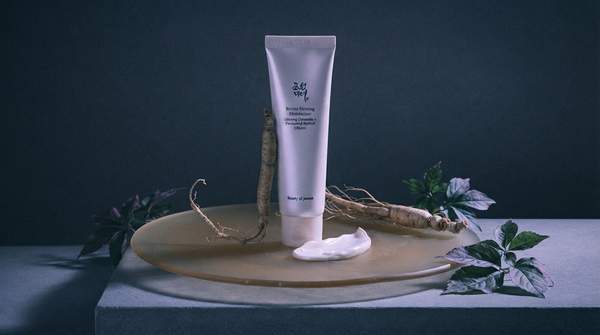
Ginseng, by contrast, is the tradition-backed anti-ager. Many ingredients now associated with K-beauty stem from hanbang, or traditional Korean medicine, as New York-based esthetician Cho noted to Vogue; ginseng sits firmly in that lineage. According to the DODOSKIN dictionary, ginseng boosts collagen production, reduces wrinkles, brightens by inhibiting melanin production, protects against environmental damage through rich antioxidant content, and improves elasticity and circulation for a more radiant complexion.
Snail mucin—the filtered secretion of live snails—is the hydration-and-repair workhorse that K-beauty TikTok made famous. Wirecutter notes that studies suggest it may improve skin's overall hydration, texture, and elasticity, and that the popular CosRX Advanced Snail 96 Mucin Power Essence, which is 96% snail-secretion filtrate, hydrates and primes skin toward the smooth, dewy "glass skin" ideal. Aglow Dermatology's brand breakdown similarly files snail mucin under "acne and repair." One caveat from Wirecutter: it is not a vegan product, and its gloopy texture may be a turnoff for some.
Centella asiatica, often labeled "cica," is the soother. Cho's commentary in the same Vogue report highlights it as a new-generation K-beauty ingredient now common in products formulated for calming irritation. It is best reserved for reactive, red, or acne-prone skin that needs healing rather than exfoliation.
Rose extract rounds out the five. Per the DODOSKIN dictionary, it deeply moisturizes, reduces redness and irritation, combats free-radical damage with antioxidants, improves tone and clarity, and balances oil production—versatility that makes it a common addition to serums, toners, masks, and moisturizers across skin types.