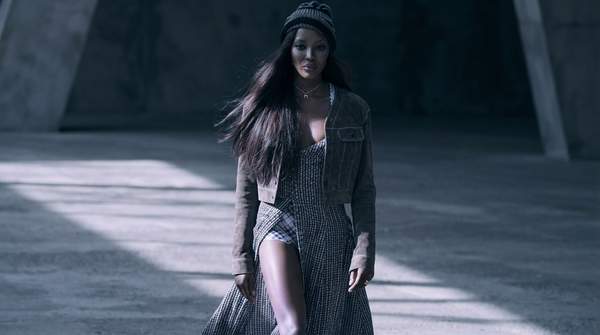
Luxury fashion house Dsquared2, known for its opulent runway shows and celebrity clientele, has just tapped Spanish reggaeton star Bad Gyal, a figure synonymous with street style and club culture, as its new global brand ambassador. A global advertising campaign launches in early 2026, marking Bad Gyal’s most significant high-fashion collaboration to date, according to Industry Analyst Commentary.
Luxury fashion brands typically rely on established supermodels or Hollywood elite; Dsquared2, however, bets on a disruptive music artist to redefine its image and appeal.
This strategic choice suggests luxury brands will increasingly prioritize cultural resonance over traditional high-brow endorsements, potentially at the cost of historical brand identity.
A Bold New Face for Dsquared2
Bad Gyal, born Alba Farelo, rose to prominence through reggaeton, dancehall, and trap music across Spain and Latin America, as noted by Music Industry Analysts. Her persona is defined by a distinctive street style, unapologetic lyrics, and a strong youth culture presence (Vogue España Feature). In stark contrast, Dsquared2, founded by Dean and Dan Caten, built its reputation on theatrical runway shows, denim expertise, and a Canadian-Italian fusion aesthetic (Fashion Historians). Historically, Dsquared2 campaigns showcased supermodels and Hollywood celebrities, adhering to a conventional luxury image (Dsquared2 Archives). Bad Gyal's edgy, urban persona thus marks a profound strategic pivot for Dsquared2, diverging sharply from its established brand identity.
Why Bad Gyal, Why Now?
Dsquared2's Annual Report reveals an active pursuit of younger demographics and expansion into emerging markets. This aligns with Latin music's undeniable global influence on fashion trends, as documented by WGSN Trend Report. Bad Gyal offers a direct conduit to coveted Gen Z and millennial consumers, thanks to her authentic connection with these audiences (Social Media Analytics Firm). The brand, according to a Creative Director Interview, seeks a fresh, rebellious energy, consciously evolving beyond its 'glam-rock' aesthetic. This partnership is a deliberate maneuver to leverage urban music and youth culture, prioritizing authenticity and cultural relevance over conventional celebrity endorsements.