Art and fashion collaborations are not a single phenomenon but a set of distinct strategic instruments, and the model a brand chooses reveals what it is actually trying to achieve. Drawing on analysis from fashion education institutions and gallery commentary, three primary forms emerge: product integration, where an artist's work is built directly into garments and accessories; art-driven marketing, where art shapes campaigns and brand identity; and immersive experiences, where retail spaces and events become cultural environments. Each model serves different objectives for the brand and the artist, and each creates value in a measurably different way.
The Strategic Canvas: Why Art and Fashion Collaborate
The underlying logic of these partnerships is mutual benefit. An academic examination of recent alliances between luxury fashion houses and contemporary artists concludes that successful collaborations enable both sides to present their work in a distinctive way, developing brand images, gaining recognition, reaching broader audiences, and spreading their messages to the public. In other words, the exchange is not charity in either direction: the brand borrows cultural authority while the artist gains commercial reach.
Fashion educators frame art as a strategic catalyst for luxury marketing specifically because it can influence brand identity, enhance consumer perceptions, and create immersive experiences that resonate with discerning customers. The same analysis stresses that there is no single preferred approach to collaboration; the form depends on the collaborators' needs, creative vision, and rapport, with durations ranging from a few weeks to multi-year relationships spanning several projects. That variability is precisely why a framework matters for reading any given partnership.
Strategic Framework: Art-Fashion Collaboration Models
The table below classifies the major collaboration forms across their strategic dimensions. Use it to identify which model a given partnership follows, and therefore what the brand is optimizing for—collectibility, narrative, or engagement.
| Collaboration Model | Primary Strategic Goal | Key Tactic | Representative Example |
|---|---|---|---|
| Product Integration | Create collectible, high-value items and enhance brand image through cultural relevance; limited runs build scarcity and storytelling | Applying the artist's work directly to garments, accessories, or footwear via prints, patterns, or sculptural elements | Takashi Murakami × Louis Vuitton, which produced iconic bags and accessories |
| Art-Driven Marketing | Influence brand identity and drive customer engagement through emotionally resonant storytelling | Visually striking campaigns, installations, or performances that leverage the artist's aesthetic to convey brand values | Hermès' "On the Wings of Hermès," a poetic and cinematic performance campaign |
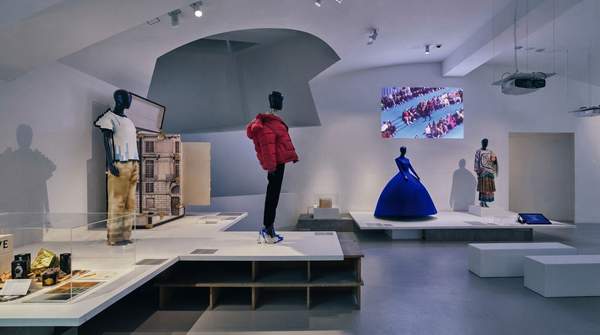
| Immersive Experiences | Blur the lines between commerce and culture, creating memorable moments that strengthen consumer connection | Transforming stores, displays, or events into hybrid gallery environments and interactive installations | Gucci's extension of its Coco Capitán capsule to the Miami flagship store and the Gucci Art Wall in Milan |