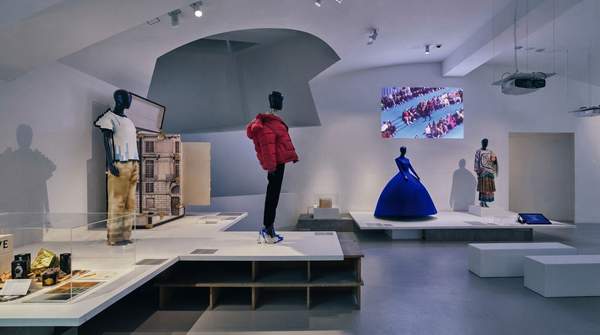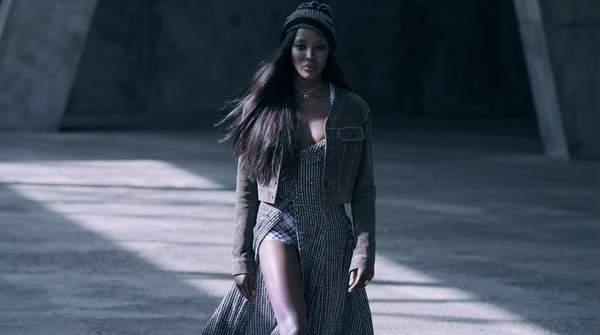
The enduring appeal of 1990s fashion stems from more than simple nostalgia; its core principles of minimalism and grunge are being actively reinterpreted in major contemporary style movements. The decade's focus on restraint, quality, and an anti-fashion ethos continues to shape modern aesthetics, from the rise of "quiet luxury" to the dominance of elevated sportswear. This lasting impact is the subject of a Tate Britain exhibition, which frames the 90s not as a closed chapter but as a cultural force still unfolding today, providing two distinct yet powerful templates for modern dress.
A Decade of Refusal: Challenging Hierarchies and Merging Cultures
The 1990s represented a pivotal shift in the creative landscape, characterized by what exhibition curator Edward Enninful describes as an "energy" and a "refusal of hierarchy." This period saw artists, designers, and musicians dismantling the traditional barriers between high and low culture, creating an environment where, as Enninful notes, "new voices could, and should, be heard." This creative proximity, where people moved between the same spaces and conversations, fostered a cross-pollination of ideas that challenged established norms across all disciplines.
Enninful points to artists like Damien Hirst "challenging what art could be" and Tracey Emin "bringing something more personal, more confessional into the conversation" as examples of this transformative spirit. This cultural backdrop is essential for understanding the fashion that emerged. The decade’s styles were not created in a vacuum; they were a direct response to and reflection of this broader movement. The merging of high and low culture and the politicization of imagery, which Enninful identifies as key conditions established in the 90s, laid the groundwork for fashion that reacted against the polished excess of the previous decade in favor of more authentic and understated forms of expression.
Minimalism: From Restraint to 'Quiet Luxury'
One of the most influential aesthetics to emerge from the 90s was minimalism, a movement defined by its focus on restraint. An analysis from Saint and Sofia characterizes the style by its "clean lines, understated tailoring, neutral palettes and an effortless sense of cool." In a direct departure from the heavily decorated and trend-driven fashions that came before, 90s minimalism shifted the emphasis to the intrinsic qualities of a garment. Instead of overt branding and ornamentation, value was placed on superior fabric, precise fit, and expert craftsmanship.
This philosophy created a look that was both sophisticated and enduring, and its core principles are directly visible in contemporary fashion. The modern emphasis on building capsule wardrobes, which rely on versatile and timeless pieces that can be worn across different settings, echoes the minimalist desire for adaptability. This ethos aligns perfectly with the "quiet luxury" movement, where consumers increasingly prioritize high-quality construction and materials over conspicuous logos. As Saint and Sofia's analysis notes, modern wardrobes must adapt seamlessly between work, travel, and daily life, a need that is perfectly met by the clean, versatile silhouettes pioneered in the 90s.