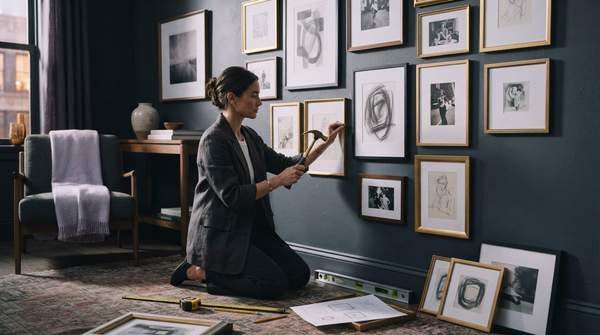
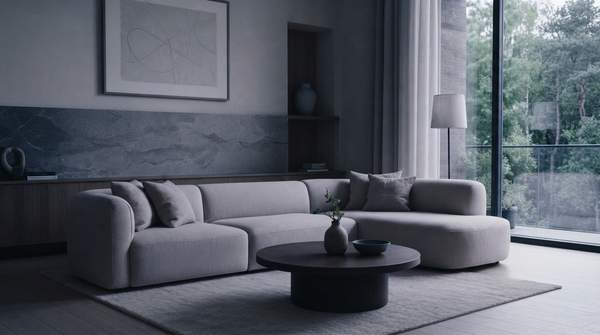
Forget the sterile showroom look: the secret to a truly stylish and harmonious home is to deliberately mix vintage, curated, and personal possessions, creating a layered, lived-in feel. This intentional approach transforms a mere dwelling into a sanctuary, fostering an environment that supports daily rhythms and personal expression. Such a meticulously crafted space elevates the everyday, moving beyond transient trends to establish lasting comfort and aesthetic depth within any home environment in 2026.
Many view interior design as purely aesthetic, a superficial pursuit focused solely on visual appeal. However, its true power lies in its ability to profoundly improve overall quality of life, shaping mood, productivity, and personal well-being. The disconnect often arises when design is seen as an endpoint rather than a process of continuous refinement, neglecting its deeper functional impact.
Investing in thoughtful home curation is not a superficial pursuit, but a strategic decision for enhancing personal well-being and daily efficiency, rejecting the notion that true style comes from perfect, new, or expensive aesthetics. This perspective shifts the focus from aspirational imagery to tangible benefits, recognizing the home as a vital component of a balanced life.
Beyond Aesthetics: The True Value of Thoughtful Design
Good interior design extends beyond mere visual appeal, fundamentally improving an individual's overall quality of life. According to feathr, a well-designed interior not only presents beautifully but also contributes significantly to the inhabitants.ants' comfort and functionality. This perspective positions interior design as a critical investment in personal well-being, rather than a fleeting trend or a superficial expenditure. The deliberate arrangement of space and objects can foster tranquility, encourage productivity, and reflect personal identity, creating an environment that actively supports its occupants. Thoughtful design elements, such as optimal lighting or ergonomic furniture, subtly enhance daily routines, reducing friction and promoting ease. A home that supports these elements becomes a foundation for a higher quality of life, transcending surface-level aesthetics. Based on feathr's assertion, companies selling mass-produced, sterile home decor are missing the mark; true value lies in empowering consumers to curate personalized, layered spaces that genuinely enhance well-being. This suggests a shift from transient consumerism to enduring personal investment, where the homeowner actively shapes their habitat for sustained benefit.
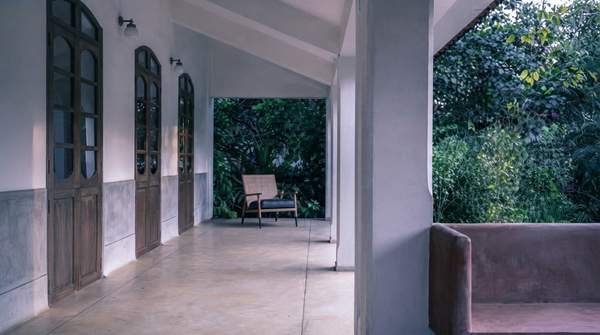
The inherent tension between design as an art form and design as a functional tool finds resolution in this holistic view. When design choices are made with an understanding of their psychological and practical impacts, the home transforms from a mere shelter into a supportive ecosystem. This intentionality allows for a harmonious balance, where visual appeal complements and reinforces the functional aspects of daily living. The integration of personal items, for instance, not only adds character but also creates emotional connections to the space, contributing to a sense of belonging and comfort. Such a nuanced approach ensures that every design decision serves a dual purpose: aesthetic pleasure and improved quality of life.
The Blueprint for a Harmonious Home: Effective Space Planning
Crafting a truly functional and aesthetic home environment begins with a systematic, foundational process of space planning. This deliberate approach ensures that every element serves a purpose and contributes to the overall harmony of the living area. Effective space planning involves several key stages, starting with a comprehensive assessment of the existing space and a clear definition of the occupant's needs. This initial evaluation considers room dimensions, natural light, and existing architectural features, establishing a realistic baseline. Subsequently, defining specific functional requirements—whether for work, relaxation, or entertaining—guides subsequent decisions, ensuring the space aligns with lifestyle demands.
Once needs are established, creating a detailed floor plan helps visualize the layout, guiding the selection of furniture and decor that fit both dimensionally and functionally. This step prevents costly errors and ensures optimal flow within the home. For example, considering traffic patterns before placing large furniture pieces can significantly improve daily navigation. The process culminates in a crucial review and adjustment phase, allowing for fine-tuning that integrates a "lived-in" feel. This methodical framework, as outlined by cloverdesigns, ensures that home design is a deliberate, multi-stage undertaking, demanding careful planning before any decorative items are chosen. The iterative nature of reviewing and adjusting becomes critical for integrating personal and vintage items, transforming planning from a rigid task into a continuous investment in personal functionality. This ongoing refinement allows the home to evolve, adapting to changing needs and preferences over time.
An often overlooked aspect of space planning involves considering the sensory experience of a room. How does the light fall? What are the acoustic properties? These questions, though subtle, contribute significantly to the overall comfort and functionality of a space. Integrating these considerations early in the planning process allows for a more comprehensive design that addresses both the tangible and intangible elements of a harmonious home. This meticulous attention to detail forms the bedrock upon which a truly curated and supportive environment is built, emphasizing that true elegance lies in thoughtful execution.
Common Missteps in Home Curation
Many individuals inadvertently undermine their home's potential by focusing excessively on achieving a flawless, showroom aesthetic. This common misstep often leads to environments that feel impersonal and lack warmth, failing to truly support daily life. The pursuit of "perfection" through new, expensive, or matchy-matchy items frequently overlooks the profound impact of personal history and texture. Such an approach can result in sterile spaces that prioritize visual uniformity over genuine comfort and individual expression. A home devoid of personal narrative becomes merely a collection of objects, rather than a reflection of its inhabitants. This sterile outcome directly contradicts the goal of creating a stylish, functional, and harmonious home environment.
Homeowners often misdirect their efforts towards replicating catalog images, when the greatest impact on well-being comes from embracing the imperfect, the old, and the personal. This oversight prevents the creation of a truly harmonious and functional home environment, diminishing its capacity to enhance quality of life. Forgoing vintage finds or cherished family heirlooms in favor of mass-produced decor strips a space of its unique character and narrative. The resulting lack of layered depth can leave a room feeling incomplete, despite its adherence to current trends. True elegance emerges from a careful balance of new and old, allowing each piece to tell a part of the homeowner's story.
Another pitfall involves neglecting the iterative nature of home design. Viewing space planning as a one-time setup, rather than an ongoing process, limits a home's ability to adapt and grow. Environments that remain static often become less functional over time as needs change. Effective home curation is an ongoing, iterative process, not a one-time setup, where the 'review and adjust' phase of space planning becomes critical for integrating a 'lived-in' feel. This continuous engagement ensures that the home remains a dynamic, supportive space, evolving alongside its occupants rather than becoming a fixed, unyielding display.
Crafting a Lived-In Look: Personalizing Your Space
To create a unique, personal, and harmonious aesthetic, individuals should intentionally mix items of various textures, materials, and sizes. This deliberate layering of diverse elements fosters an authentic, "lived-in" feel that resonates with personal history and taste. Integrating vintage finds, carefully curated pieces, and cherished personal possessions moves a space beyond generic trends, creating depth and character. For example, pairing a rough-hewn wooden chest with a delicate silk throw introduces textural contrast that enriches the visual experience. Similarly, combining a modern lamp with an antique side table speaks to a thoughtful design sensibility that values both heritage and innovation.
The michaelhelwiginteriors approach suggests that the "perfect" home isn't found in a catalog, but through an ongoing, iterative process of mixing vintage and personal items. This transforms space planning, as outlined by cloverdesigns, from a one-time task into a continuous investment in personal functionality. This means embracing the occasional imperfection of an aged piece or the sentimental value of a handmade object over the pristine uniformity of showroom displays. The true power of interior design to improve quality of life isn't achieved through expensive, new purchases, but through the intentional, often imperfect, layering of vintage and personal possessions. This strategy allows the home to tell a story, reflecting the owner's journey and passions.
A truly stylish and comfortable home reflects its inhabitants through a thoughtful blend of personal history and diverse elements, moving beyond generic trends. This method encourages an evolving aesthetic, allowing spaces to adapt and grow with their occupants. Consider a collection of art acquired during travels or books that represent personal interests; these elements, thoughtfully displayed, imbue a room with an undeniable sense of personality. It is this curated narrative, rather than strict adherence to a single style, that establishes a space as both inviting and distinctly unique. This careful selection and arrangement elevate the everyday into an art form, appreciating the subtle interplay of form and function.
What are the key elements of a harmonious home?
A harmonious home prioritizes both functionality and personal expression, integrating diverse textures, materials, and sizes. It often features a thoughtful blend of vintage, curated, and personal possessions, creating a sense of history and comfort rather than a sterile, showroom appearance. Such an environment supports daily well-being and efficiency, making it more than just a place to live.
How can I make my home both stylish and functional?
Achieving both style and functionality involves a systematic approach, beginning with assessing your space and defining specific needs before selecting furniture. Incorporating elements that reflect your personal story, such as inherited pieces or travel souvenirs, ensures the space feels authentic and uniquely yours. The iterative process of reviewing and adjusting layouts is also crucial, allowing for continuous improvement and adaptation.
What is the best way to organize a home for harmony?
Organizing a home for harmony extends beyond mere tidiness; it involves deliberate space planning that considers how each area supports specific activities and moods. This includes defining zones for relaxation, work, and social interaction, and then selecting pieces that not only fit physically but also contribute to the desired atmosphere. Regular decluttering and thoughtful storage solutions maintain an uncluttered aesthetic while preserving personal items, creating a seamless blend of order and personal touch.
How do I create a cohesive interior design style?
Creating a cohesive style does not require matching every item. Instead, focus on a consistent color palette, material finishes, or a recurring motif that subtly links different areas. Incorporating a few statement pieces that reflect your core aesthetic can unify disparate elements, while allowing for the natural layering of personal items that prevent a sterile feel. This approach allows for individuality within a structured framework, ensuring the home feels both intentional and personal.
By 2026, the emphasis in interior design is expected to fully shift towards personalized, layered environments that prioritize well-being over transient aesthetics. The deliberate integration of vintage pieces and personal possessions, rather than a reliance on mass-produced items, will define truly sophisticated spaces. This approach empowers individuals to transform their living areas into meaningful reflections of their lives, fostering deeper connections to their surroundings. The future of home design champions authenticity and functionality, moving beyond superficial trends to create enduring havens. For instance, companies like Brighton Homes, which offer guidance on interior design basics, will likely expand their focus to include more nuanced advice on personal curation and the art of layering, reflecting this evolving demand. This strategic shift underscores the enduring value of a home that is both beautiful and deeply personal.