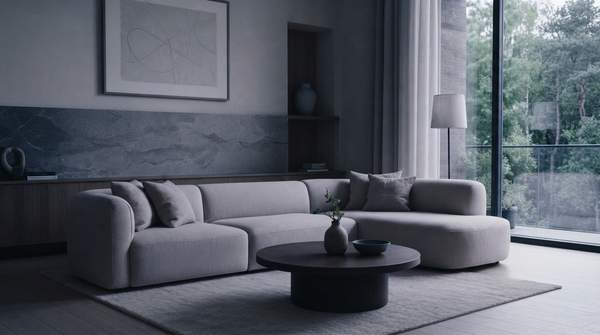
Brands such as Naturalmat now offer a 'Mattress for Life' initiative, allowing customers to refurbish or recycle their mattresses, signaling a profound shift in how we define sustainable home decor. This commitment to longevity redefines value, moving beyond initial purchase to a product's entire lifecycle, according to Country and Town House. Programs suggest a future where consumer goods are considered enduring assets rather than disposable items, transforming a typically high-turnover product into a long-term investment for the home.
The model challenges the conventional linear consumption pattern, where products are bought, used, and then discarded. Instead, it promotes a circular economy, extending the lifespan of essential home items. It means a mattress, traditionally a temporary fixture, can now become part of a generational legacy, maintained and enjoyed for decades. The re-evaluation of product lifespan is central to how discerning consumers are approaching their living spaces in 2026.
Sustainable home decor was once perceived as a practice of giving things up, often associated with aesthetic compromises or limited choices. Earlier understanding framed eco-conscious living as a series of sacrifices. However, it is increasingly understood as a way to elevate living and create a lasting legacy, investing in quality that endures.
Based on the growing emphasis on longevity and circularity, the home decor market appears likely to increasingly value craftsmanship and repairability over fleeting trends and disposability. The evolution in consumer mindset drives brands to consider the entire lifespan of their products, from material sourcing to end-of-life solutions, ensuring they meet higher standards of ethical production and lasting design.
Beyond Eco-Friendly: A New Definition of Sustainable Style
The conversation around sustainable and ethical home decor trends in 2026 has moved beyond simple "eco-friendly" labels to embrace a deeper commitment to product longevity and stewardship. Earlier approaches often focused on reducing negative impact, such as using recycled materials or minimizing waste during production. Earlier approaches often led to perceptions of limited design options or a utilitarian aesthetic, suggesting a compromise between ethics and elegance.
Today, the definition includes a positive, lasting contribution to both the environment and the homeowner's lifestyle, establishing sustainable home decor as a premium value proposition. The ability to refurbish or recycle items, as seen with Naturalmat's offerings, signifies a new form of luxury rooted in stewardship and longevity. The approach emphasizes responsible consumption and a deeper connection to the thoughtfully chosen items within a living space. It suggests that true sustainability now integrates seamlessly with refined aesthetics, offering both beauty and enduring purpose.
The evolving understanding reframes sustainable choices not as a burden, but as an investment in enduring quality and a meaningful future. Consumers are actively seeking items that tell a story, offer exceptional durability, and can be passed down through generations. Consumers' desire for objects that contribute positively to a home's character and environmental footprint, becoming cherished elements rather than temporary fixtures. The focus has shifted to creating environments that are both beautiful and consciously curated for the long term.
From Sacrifice to Legacy: The Evolving Mindset
A significant philosophical shift underpins the current sustainable home decor movement, moving away from past notions of restraint or aesthetic compromise. Consumers are increasingly viewing sustainable choices as a means to elevate their living spaces and establish a lasting legacy. The perspective counters the throwaway culture prevalent in many modern consumption patterns, which often prioritize fleeting trends over enduring value.
The 'for life' product model, exemplified by initiatives like Naturalmat's mattresses, directly addresses the desire for generational legacy. It transforms items typically considered disposable into long-term assets. The change challenges the prevailing culture of rapid consumption, where items are frequently replaced rather than maintained. Models offer a compelling narrative of stewardship, empowering consumers to make choices that resonate beyond immediate gratification.
The reframe positions sustainable choices not as a burden, but as an investment in enduring quality and a meaningful future. It aligns with a return to pre-industrial values of craftsmanship and durability, where items were built to last and often repaired rather than discarded. Here, the longevity and repairability of an item outweigh its novelty or initial low cost, fostering a deeper appreciation for design and provenance. The mindset encourages consumers to buy sustainable home decor in 2026 with a focus on long-term value.
Brands failing to integrate circular economy models, exemplified by Naturalmat's 'Mattress for Life' initiative, will increasingly alienate a consumer base that now views sustainability as a premium investment in lasting quality and generational value, not a compromise. A market where commitment to product lifecycle becomes a competitive advantage.
Investing in Durability and Local Craft
The shift towards enduring quality and generational legacy has distinct implications for sourcing home decor, particularly for those seeking ethical and lasting pieces.
- The most sustainable choice in home decor is often local makers using traditional techniques for pieces designed to last, according to Country and Town House.
A growing consumer preference for items that embody superior craftsmanship and local economic support. It suggests a future where furniture and decorative objects are valued for their inherent durability and repairability, moving away from mass-produced disposables. The focus on traditional techniques implies a desire for authentic, handcrafted items that resist obsolescence, often utilizing materials sourced responsibly and with minimal environmental impact. The approach allows consumers to choose ethical home decor for their living space, ensuring that pieces contribute positively to both aesthetic and environmental values for years to come.
The growing consumer preference for local makers employing traditional techniques signals a significant market shift towards heirloom-quality items. The growing consumer preference compels retailers and designers to prioritize durability, repairability, and ethical sourcing over mass production and planned obsolescence. It suggests a renewed appreciation for the provenance of goods and the skilled hands that create them, fostering a more mindful approach to furnishing our homes. The trend influences what materials are trending for sustainable home decor in 2026, favoring natural fibers, reclaimed wood, and artisan ceramics.
Building a Lasting Home, Sustainably
- Consumers in 2026 prioritize home decor that offers longevity and contributes to a lasting legacy, moving beyond transient trends and embracing enduring design.
- The 'Mattress for Life' model and similar initiatives prove that circularity and product refurbishment are becoming hallmarks of premium sustainable brands, offering a new definition of luxury.
- Investing in pieces from local artisans who employ traditional techniques represents a highly ethical and durable choice for home furnishings, supporting craftsmanship and local economies.
- The most popular eco-friendly home decor styles in 2026 emphasize natural materials, timeless design, and a commitment to repairability over replacement, fostering a home environment built for generations.