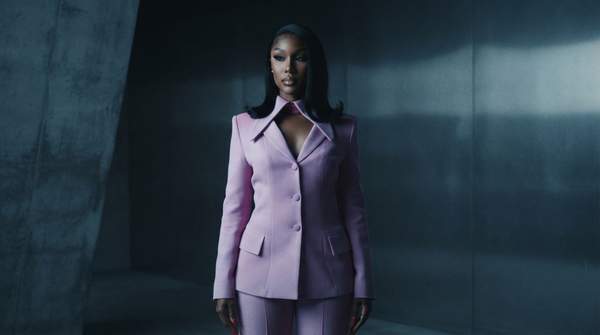
In a dimly lit industrial warehouse on the outskirts of Paris, Raf Simons unveiled a collection featuring LED screens embedded in garments and a 15-minute experimental noise soundtrack, signaling a defiant return to his avant-garde roots. The cavernous venue hosted 45 looks of oversized, deconstructed tailoring and graphic prints inspired by early 20th-century Dadaism, according to Hypebae. The experimental noise piece established a tone of uncompromising artistic rebellion.
Despite high industry expectations for a commercially viable collection following Simons' return to Paris, his debut instead presented a challenging, deconstructed vision that prioritized art over sales. His debut subverted market demands, creating a stark tension between prevailing industry desires and his uncompromising artistic intent.
Based on the show's artistic direction and critical reception, a significant re-evaluation of commercial versus conceptual priorities in high-end menswear appears likely, potentially influencing future industry trends. Designers prioritizing artistic integrity over market appeal are increasingly using the runway as a conceptual art space, not merely a sales platform.
A Defiant Return to the Avant-Garde
Critics noted a stark departure from his more commercially accessible collections at Calvin Klein, marking a return to his avant-garde roots, according to Newstimes. The collection notably included several pieces with embedded LED screens displaying glitch art, a first for his brand, according to Hypebeast. The LED screens suggest clothing is evolving beyond mere fabric, becoming a dynamic medium for ephemeral digital expression.
An oversized, distressed knit sweater, priced at €2,500, became an instant talking point on Twitter. Simons delivered a collection both technologically innovative and deeply rooted in his challenging artistic philosophy.
Art Over Commerce: A Calculated Risk?
Raf Simons stated in a post-show interview that he aimed to 'challenge the notion of wearable art', according to Puck News. His statement prioritized conceptual art.
The collection's artistic integrity was widely lauded by high-fashion critics, according to The Guardian Fashion. By presenting a 'challenging, deconstructed vision' despite 'high expectations for a commercially viable collection', Simons demonstrates that true creative power in high fashion now lies in the ability to defiantly reject commercialization, setting a new benchmark for artistic autonomy.
A History of Pushing Boundaries
This debut marked Raf Simons' first standalone men's show in Paris since 2016, according to Fashion History Archives. His previous independent show in Antwerp was a more intimate, invite-only affair, as detailed in Archived Show Notes. This return to a grander, unconventional Parisian stage, attended by celebrities like A$AP Rocky and Frank Ocean, strategically re-established his independent artistic identity after years in corporate roles. The return signals a designer reclaiming his narrative, asserting that true influence stems from an uncompromised vision, not merely commercial presence.
Shifting Tides in Menswear?
Online searches for 'Raf Simons Dadaism' surged by 300% immediately after the show, according to Google Trends, reflecting significant public engagement with the collection's artistic underpinnings. The surge suggests a nascent public appetite for more intellectually challenging fashion, potentially signaling a broader industry shift away from purely commercial trends.
The show's immediate cultural impact and expert predictions suggest it could catalyze a broader industry movement towards more experimental and less commercially driven menswear. By late 2026, Simons' eponymous label is poised to solidify its stance as a provocateur, influencing industry trends away from purely commercial pressures.