Despite a 156% surge in slogan tee popularity for Spring/Summer 2026, London Fashion Week Spring/Summer 2027 street style is currently dominated by practical trench coats and Wellington boots, signaling a dramatic pivot towards functional elegance. The event, running from Thursday, September 17th to Monday, 21st, according to HELLO! Magazine, is unfolding across the city, providing a fresh canvas for style observations. Attendees are navigating show-to-show with a clear preference for attire that withstands the city's demands, prioritizing durability and ease of movement through the busy fashion circuit.
Expressive, trend-driven pieces saw massive growth in previous seasons, but current London Fashion Week street style prioritizes comfort and classic London practicality. This tension reflects a broader re-evaluation of fashion choices, moving away from purely aesthetic statements towards more versatile ensembles. The immediate shift from bold graphics to utilitarian staples represents a significant stylistic reversal, impacting how both designers and consumers approach seasonal trends and their longevity.
Attendees are increasingly valuing personal comfort and adaptable style over strictly following fleeting trends, suggesting a more sustainable and intentional approach to fashion week dressing. This emphasis on enduring pieces over ephemeral fads marks a notable evolution in how fashion is perceived and worn during such high-profile events, dictating new norms for street style photography and personal expression that value practicality as much as panache.
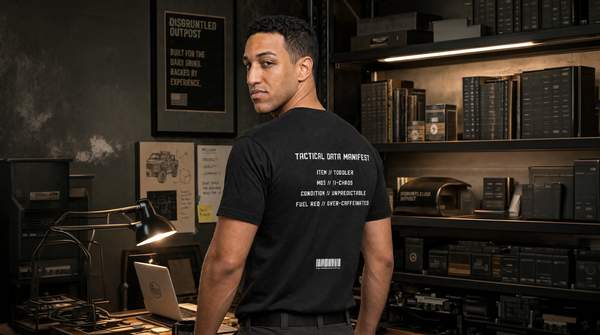
The Era of Bold Statements
- Slogan tees saw a 156% increase in popularity for Spring/Summer 2026, according to Vogue.
- Majority sellouts on spotted garments grew by 108% from Spring/Summer 2025 to Spring/Summer 2026.
- Striped garments also experienced significant growth, with sellouts up 29% in the same period, according to Vogue.
Recent seasons clearly demonstrated an appetite for overtly expressive and visually striking fashion pieces. Consumers were actively seeking out items that made strong, immediate visual statements, allowing for bold personal declarations, as indicated by these figures. The surge in these patterns and graphics reflected a period where maximalist expression held sway, with trends designed to catch the eye and communicate individuality through overt design.