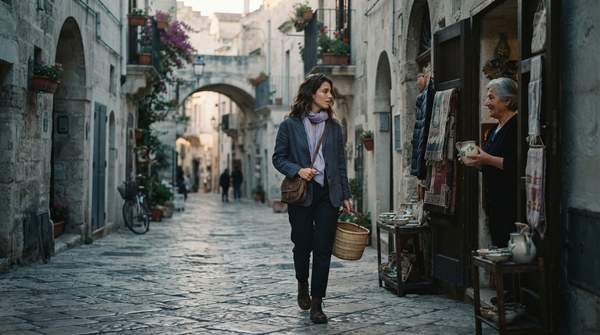
Biteseeing is the practice of planning travel around food rather than around monuments — and according to the company that coined the term, GetYourGuide, it has overtaken traditional sightseeing in traveler priorities. The company's research found that 79% of travelers now say regional food is a top travel priority, beating cultural landmarks, while bookings of food experiences grew 47% year on year, outpacing cultural and historical sites. The appeal is straightforward: rather than eating between activities, travelers are treating food itself as the activity.
What is 'Biteseeing'?
The term comes from GetYourGuide, which frames the shift with a memorable image: "cornetti first, Colosseum later." In the company's telling, more than half of travelers say they would fly somewhere for a single ingredient — a preference its experts describe not as a food trend but as a cultural shift. Where gastronomic travel once meant flying somewhere to tick off a famous restaurant or tasting menu, a new generation of travelers plans destinations around the foods they love, seeking out cult ingredients in the places they come from.
The numbers behind the label, all from GetYourGuide's research, point to curiosity rather than mere consumption. Some 76% of travelers expressed interest in tastings and 58% in visiting a food museum, suggesting food is valued as an experience in its own right. The clearest draw of all is the humblest: grocery stores, markets and food stalls attracted 84% interest, more than any other food experience surveyed.
The Appeal of Biteseeing: Why Travelers Seek Culinary Authenticity
Writing for GetYourGuide in the Biloxi Sun Herald, Lydia Winter locates the trend's pull in provenance — the story of how an ingredient or dish reaches the plate. As she puts it, "origin stories matter, and nowhere is that more true than in the culinary world." Provenance itself is not new, but the willingness to travel for it is: travelers want to experience ingredients where they originate, along with the history and passion that accompany them.
The travel blog Adventures from Elle, which covered the trend shortly after GetYourGuide's announcement, echoes that reasoning from a planner's perspective. Visiting a destination's architecture and landmarks is one thing, its author writes, but understanding what grows there, what locals eat and how traditional foods are produced "adds meaningful depth to travel." The common thread is a desire for connection — to local daily life, to regional food culture, and to the people and processes behind a dish, rather than to a dining room alone.