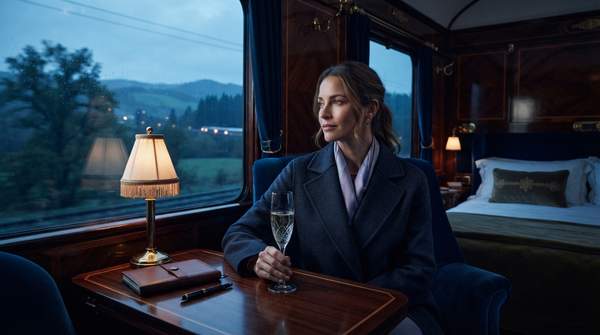
In 2026, 57% of U.S. travelers expressed interest in attending a silent retreat. This figure marks a profound shift in what defines a luxury getaway. This desire for intentional quietude, now termed 'hushpitality,' extends beyond mere relaxation. It reveals a deeper quest for mental restoration, a pursuit of inner calm amidst external demands. Such preferences align with slow tourism and mindful travel, solidifying their status as the new luxury for 2026. Nearly half of travelers, according to The Zoe Report, intentionally add solo days to their itineraries, seeking moments of peace and solitude, a conscious rejection of constant stimulation.
However, a tension persists: travelers are increasingly seeking quietude and solitude as the ultimate luxury, but the industry is still largely geared towards high-energy, amenity-rich experiences. This disconnect leaves a significant market segment underserved, as traditional luxury, focused on overt opulence and constant activity, fails to meet these evolving needs.
Luxury properties that successfully integrate mindful experiences and genuine local immersion will likely capture this evolving high-end market. Those clinging to outdated opulence risk irrelevance. This re-evaluation of luxury, where peace and mental restoration eclipse material extravagance, fundamentally recalibrates value in discerning travel.
The Deep Dive into Traveler Motivations
Rest and recharge emerged as the leading motivation for leisure travel in 2026, cited by 56% of respondents. The Zoe Report's data reveals a clear prioritization of internal well-being. Spending time in nature followed at 37%, improving mental health at 36%, and alone time at 20%. These figures confirm that modern luxury travelers value internal well-being and personal space above traditional external displays of wealth. The collective emphasis on restorative experiences, not merely opulent ones, redefines an enriching journey. A profound shift is indicated: travelers now actively pursue intentional experiences for mental well-being, transforming travel into a form of self-care, a deliberate investment in personal equilibrium.
Beyond the Hype: Questions of Access and Authenticity
While quietude's appeal grows, slow tourism sparks a debate about inclusivity and sustainability. Travel And Tour World reports experts question if marketing hype merely reshapes travel choices, rather than fostering genuine, accessible shifts. This implies a disconnect between traveler demand and the industry's embrace of this shift. Does this trend genuinely promote sustainable practices and remain accessible to a broad audience? Or is it simply a new, exclusive marketing angle, risking abandonment of established high-energy luxury models for a select few? The industry must navigate these questions to ensure 'hushpitality' avoids becoming another elite niche, truly democratizing tranquility.