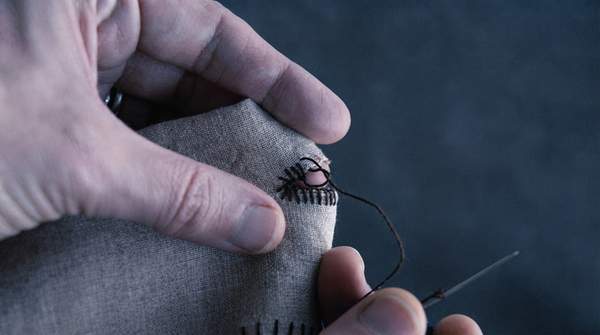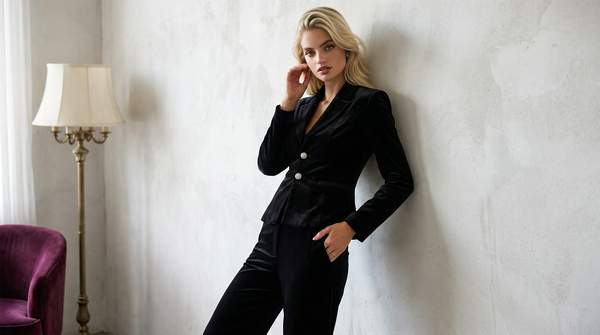
The secret to a wardrobe you love for years isn't a bigger budget—it's a repeatable evaluation process. Before any garment comes home with you, it should pass four checks: fabric quality, construction, versatility, and long-term value. Fashion Times frames investment-worthy clothing as pieces with "materials that age well rather than break down quickly," "construction that supports frequent wear," and "a design that feels current without being trend-dependent." That is the whole game: fewer, better-made pieces that earn their place through dozens of wears.
The Foundation of Investment Dressing: Quality Over Quantity
Why does this matter beyond aesthetics? Because buying fewer, better-made pieces reduces waste and improves wardrobe efficiency. A smart wardrobe, as Fashion Times puts it, "relies on consistency rather than constant replacement." Higher-quality clothing keeps its shape, holds stronger seams, and looks polished even after repeated use—benefits that compound over time.
Here's the encouraging part: none of these checks require expert knowledge or a specific brand name. As the craftsmanship guide at [IM]perfectionists notes, quality signals are "observable in any garment, at any price point, which makes them a far more reliable quality signal than trusting a label alone." Price is not the test. Observation is.
Your Investment Checklist: Evaluating Fabric Quality
Start with your hands, not your eyes. A quality fabric holds its own weight and drapes with intention rather than feeling flimsy or overly stiff. Check the fiber content on the care label inside the garment—natural fibers like wool and linen are prized because they are both breathable and durable, which is why Hawes & Curtis recommends pure natural fabrics for suits and blazers.
Then assess weight and density, and hold the fabric up to the light to test opacity. One sustainability caveat from the professionals surveyed by Slow Fashion Saturday: blended fibers "make it almost impossible to recycle a garment, greatly reducing its sustainability credentials," so pure natural fabrics are often the better choice if end-of-life impact matters to you.