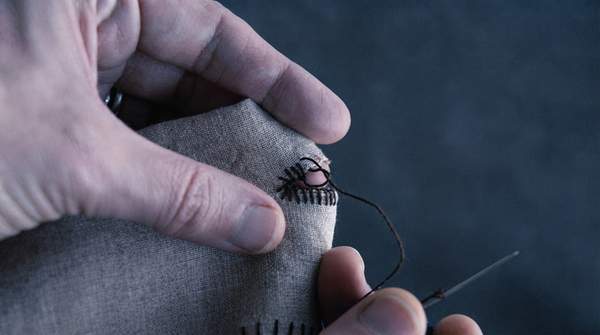
Slow fashion is a deliberate approach to clothing that prioritizes quality, longevity, and ethical production over speed and volume. That means fewer purchases, better-made garments, and a supply chain you can feel reasonably good about. But understanding the philosophy is one thing; knowing how to actually shop that way is another. Here, I'll walk you through what slow fashion is, how it differs from fast fashion, and a practical decision framework you can run any potential purchase through before you buy.
What is Slow Fashion?
At its heart, slow fashion is a mindset shift. Guides to the movement describe slowness not as the literal opposite of fast, but as a different way of thinking in which designers, manufacturers, retailers, and consumers become more aware of a product's impact on workers, communities, and ecosystems.
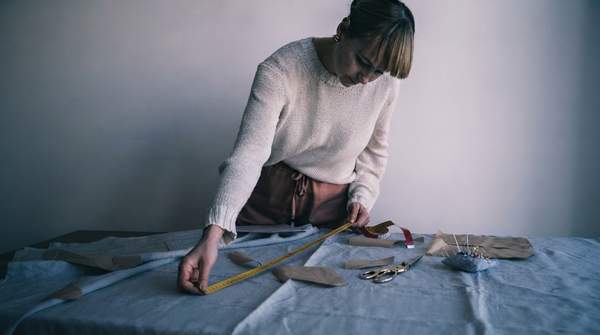
The name borrows deliberately from the Slow Food movement, which advocates food that is good (quality and healthy), clean (produced without harming the environment), and fair (accessible prices for consumers, fair conditions and pay for producers). Translated into clothing, some elements of the philosophy include buying vintage, redesigning old clothes, shopping from smaller producers, making garments at home, and buying pieces that last longer.
One caveat worth remembering: the concept keeps evolving. New ideas and product innovations are constantly redefining slow fashion, so pinning it to a single static definition would miss the point. What stays constant is the emphasis on intention—becoming more conscious and mindful of what you consume, as fashion educator Francesca Sterlacci puts it when outlining the movement's basic principles. Importantly, that mindfulness doesn't require throwing out everything you own and restocking with "ethical" brands. It starts with how you approach the next purchase.
Slow Fashion vs. Fast Fashion: A Fundamental Contrast
So what exactly is slow fashion reacting against? Fast fashion, as environmental publication Earth.Org defines it, is a business model built on the rapid design, production, and marketing of inexpensive clothing—low-cost garments that replicate the latest trends and are pushed into stores quickly to capitalize on them. Speed is its defining characteristic.
That speed shapes everything downstream. Because garments are cheap and trend-driven, the model encourages frequent buying and quick disposal. Analyses of the contrast summarize it neatly: fast fashion emphasizes turnover, low price, and trend responsiveness; slow fashion emphasizes fewer purchases, greater longevity, ethical credentials, transparency, and durability. One model is designed for quick turnover and low cost; the other is designed to last.
The contrast plays out in labor conditions, too. Reporting on the industry notes that fast fashion supply chains have been linked to harsh conditions—including pregnancy discrimination, with pregnant workers fired or demoted—while slow fashion brands commit to fair wages that let workers meet basic needs, invest in safe working conditions, provide benefits, and respect workers' right to organize.
And environmentally, the stakes are real. Textile production is among the world's most resource-intensive industries: cotton farming consumes vast amounts of water, and synthetic fibers like polyester shed microplastics into waterways with every wash. When you buy a garment built to last a decade instead of a season, you reduce the demand driving that production.