After a stretch of sun, travel, late nights, and festive indulgence, the fastest route back to a dewy complexion is not a shopping spree—it is a diagnosis. Skin professionals consistently point to two overlapping problems: dehydration and a weakened barrier. The fix differs for each, and choosing the wrong emphasis can prolong the irritation. This guide distills dermatologist and aesthetic-nurse advice into a decision framework, a three-step routine, and the ingredient categories that actually do the work.
Understanding Post-Holiday Skin Stress
The festive season leaves visible receipts. Writing for Hip & Healthy, aesthetic nurse Anastasia Koles of ALTA Medispa describes the familiar aftermath: "dehydration, puffiness, and a complexion that's lost its glow" following extra alcohol, rich food, and disrupted sleep. Her remedy is deliberately calm—a routine designed to soothe and rehydrate rather than aggressively correct.
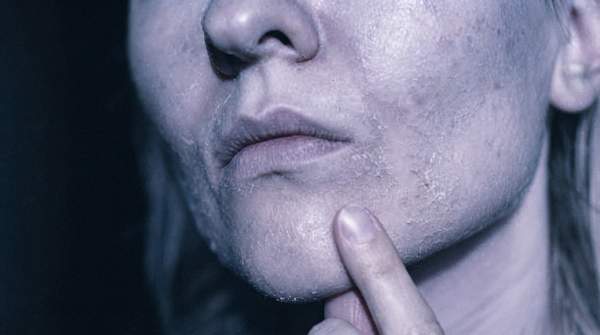
The mechanics are straightforward. Koles notes that travel, sun, and sudden climate changes can weaken the skin barrier, leaving it prone to redness, dryness, and breakouts. Elemis, in its own recovery guidance, adds that prolonged sun exposure can disrupt the balance of fats and proteins in the skin's outer layer, compromising barrier function and increasing dryness. Dermatologists quoted by the Los Angeles Times frame post-travel skin as moisture lost to sun, sweat, saltwater, and cabin air—losses that need replenishing quickly.
The distinction matters because the two problems call for different ingredients. Dehydrated skin needs water attracted back in; a damaged barrier needs lipids restored so that water stays in. Most post-holiday skin needs both, in the right order.
The Science of Hydration: Key Ingredient Types
Moisturizing ingredients fall into three functional categories, and understanding them turns label-reading into strategy. Humectants, such as hyaluronic acid and glycerin, attract and hold water at the skin's surface—dermatologists quoted by the Los Angeles Times describe them as acting "like magnets for moisture." Koles adds ectoin to this class, noting it helps skin hold onto water longer while protecting against environmental stress.
Emollients smooth, soften, and support the barrier itself. Squalane, fatty acids, and ceramides fall here, and Koles specifically recommends a moisturizer rich in them because these ingredients "replenish what the skin has lost and create a protective cushion so the barrier can repair properly." Occlusives, as Michigan State University's Center for Research on Ingredient Safety explains, create a physical barrier on top of the skin to keep it moist—though they tend to feel heavy, greasy, and sticky, which makes them better suited to nighttime or severely dry patches.
The categories work together rather than in competition. Humectants draw water in, emollients restore the lipid structure that retains it, and occlusives seal the surface against further loss. A recovery routine that layers them in that order addresses both dehydration and barrier damage at once.