The most effective winter skincare ingredients fall into two functional camps: humectants like hyaluronic acid and glycerin, which draw water into the skin, and barrier lipids like ceramides and shea butter, which seal that water in and repair the skin's protective layer. Peptides play a third, complementary role, supporting the skin's underlying structure rather than its surface moisture. Understanding which camp an ingredient belongs to is the single most useful skill for choosing winter products, because dehydration and a compromised barrier are two different problems that need two different fixes.
Understanding Winter Skin Challenges
Winter damages skin through a combination of forces rather than one culprit. Cold air holds less moisture, which can pull water out of the skin, while indoor heating dries it further and wind adds irritation, according to guidance from CULT Aesthetics. Together, these conditions weaken the skin barrier—the protective layer that locks moisture in and keeps irritants out.
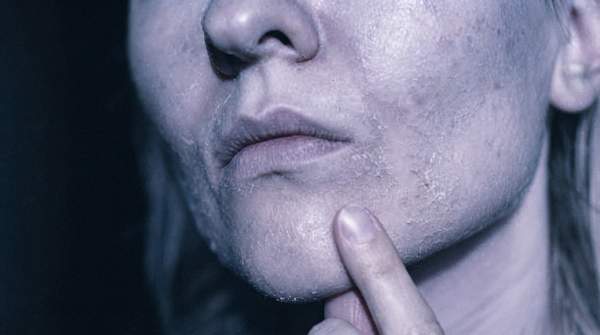
When that barrier is compromised, the visible consequences are predictable: redness, itchiness, tightness, a dull or dehydrated complexion, and more visible fine lines. Dermatologist John Vine's practice notes that humidity levels drop significantly during the dry, cold months and recommends running a humidifier indoors to maintain moisture levels between 30 and 50 percent—an environmental fix that works alongside any product you apply.
The practical takeaway is that winter skin needs two things at once: replacement of lost water and reinforcement of the barrier that retains it. A product that only does one leaves the other problem unsolved, which is why single-ingredient thinking rarely works. This is also why the same routine can fail in December that worked in June—the skin's underlying condition has changed, not just the weather.
Essential Winter Skincare Ingredients for Barrier Repair and Hydration
Four ingredients come up consistently across dermatological sources, and each addresses a distinct part of the winter problem. Hyaluronic acid is a humectant that can absorb up to 1,000 times its weight in water, helping skin retain moisture even when the air is dry. The American Academy of Dermatology's winter skin guidance recommends it for both face and body, noting that its use in body products is relatively recent. Dr. Davis, quoted in that guidance, points out that hyaluronic acid "absorbs 1,000 times its weight in water, but until recently it was primarily used in products for the face."
Ceramides are naturally occurring lipids that hold skin cells together and maintain a strong barrier. CULT Aesthetics notes that ceramide levels drop during winter, which is why replenishing them through skincare matters. The AAD lists glycerin, lanolin, mineral oil, petrolatum, and shea butter as other ingredients that work well for dry skin, and recommends thicker formulations—products you squeeze from a tube or scoop from a tub—over pumped ones, since thicker products typically pack more moisture.
Peptides, meanwhile, are amino acids that stimulate collagen production and improve elasticity, contributing to firmness and resilience rather than surface hydration. Skin Laundry's dermatologist-informed guidance groups ceramides, niacinamide, peptides, and shea butter together as ingredients that reduce water loss and keep skin smooth and resilient in cold, dry air.