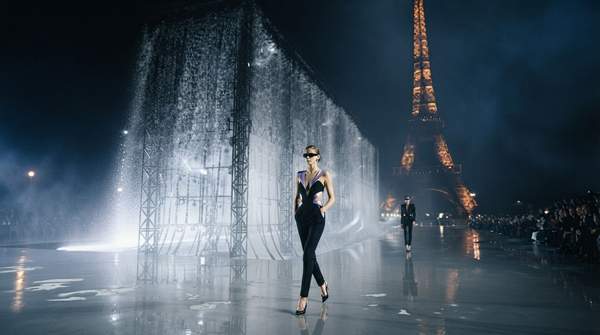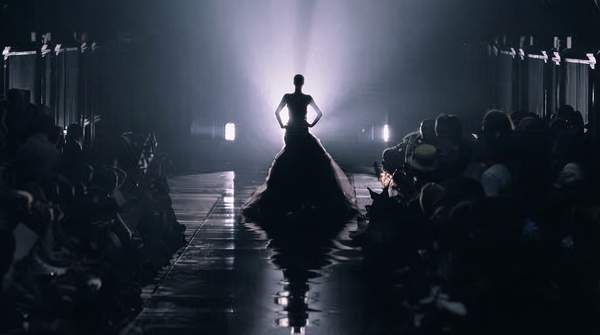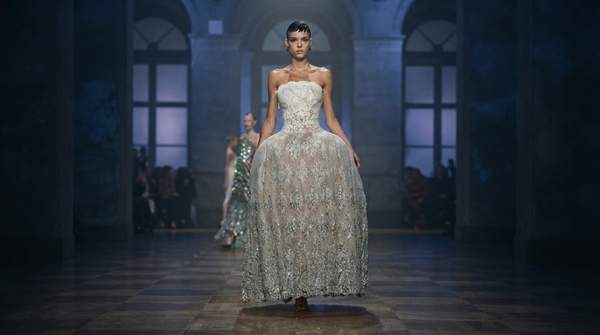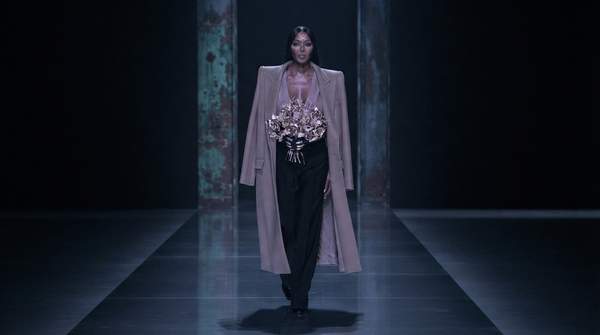
A runway show is not a garment preview with decoration attached. The set, the lighting, and the soundtrack are deliberate artistic choices that work together to tell a story, establish a mood, and reinforce the designer's brand identity. Industry guidance from the Vogue Institute of Art and Design puts it plainly: while most people think fashion shows are just about clothes, "it's the overall presentation that makes the clothes truly stand out," with set design, music, and lighting working "in harmony to elevate the storytelling, mood and impact of the collection." This article gives you a framework for deconstructing those non-garment elements so you can interpret any show's intended narrative.
Setting the Stage: Beyond the Garments
The first analytical move is to stop treating the venue and staging as neutral backdrop. The environment a designer builds around a collection is part of the collection's argument. A stripped-back, minimal set signals austerity and focus; an elaborate, theatrical environment signals spectacle and drama. The question is never whether the set is impressive in itself, but what its aesthetic—minimalist, ornate, industrial, natural—asks you to feel about the clothes walking through it.
Lighting and runway designer Thierry Dreyfus, whom Vogue describes as one of fashion's most recognized show designers, has spent over 35 years staging productions ranging from Thierry Mugler's theatrics to Helmut Lang's stripped-back shows. That range is instructive: the same designer builds radically different environments because each brand requires its own atmosphere. When you watch a show, the environment is the first sentence of its story.
The Art of Set Design: Crafting the Environment
Set design and venue selection create the environmental context for the collection, and they are crucial for articulating the designer's concept and shaping audience perception. A Kent State University thesis on runway media similarly observes that the medium chosen to present a design directly influences how audiences understand the design concept—the staging is part of the message, not a container for it.
To analyze it, ask three questions. What kind of space was chosen—a raw industrial hall, a grand hotel, a constructed set built inside a venue? What is the aesthetic register of that space—sparse or saturated, historical or futuristic? And finally, does the space enhance the garments or deliberately contrast with them? A soft, romantic collection shown against cold concrete reads very differently than the same clothes shown in a gilded salon. The designer chose that friction, or that harmony, on purpose.