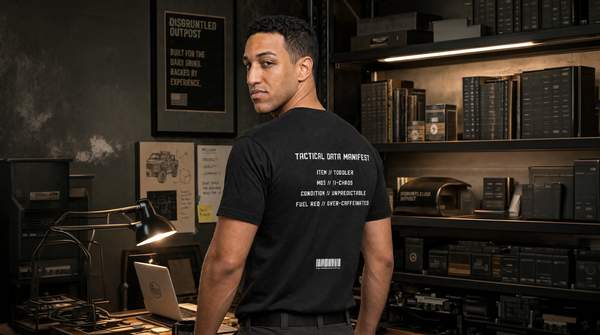
Transforming an old or unwanted piece of clothing into a unique fashion statement is a creative way to extend a garment's life and express your personal style. Upcycling allows you to take an item that might otherwise end up in a landfill and turn it into something new and custom-made. The process can range from simple embellishments to more complex reconstructions, offering endless possibilities to experiment with materials, techniques, and design elements. As Kristen Hubert, founder of Upcycle My Stuff, explains, "I just love repurposing old things and giving them a new lease of life, and clothes are so versatile and adaptable that the options are endless when it comes to upcycling them."
Whether you're looking to refresh a faded t-shirt or completely repurpose a pair of jeans, understanding the different approaches to upcycling can help you choose the right project. The main techniques fall into three broad categories: adding surface designs, changing the garment's physical shape, or turning a necessary repair into a creative feature.
Category 1: Surface Embellishment for a Fresh Look
The most straightforward way to upcycle is to alter a garment's surface without changing its fundamental structure. This approach is perfect for pieces that still fit well but feel dated or plain. Techniques like dyeing and printing can unify faded textiles or introduce cohesive new themes to your wardrobe. According to Domestika, a creative community platform, customizing pieces from your wardrobe is a form of self-expression that can be achieved through methods like embroidery or stencil design.
You can also explore adding textures and details. Layering embroidery, beading, and other trims can tell a personal story while maintaining the item's durability. These embellishments allow you to map out color narratives across a garment, using patches, panels, and appliqués to create a piece that is uniquely yours. This method breathes new life into clothing by treating the original item as a canvas for your creativity.
Category 2: Deconstruction and Reconstruction for New Forms
For clothes that are damaged, ill-fitting, or simply no longer suit your style, a more transformative approach is needed. Deconstruction and reconstruction involve taking a garment apart and reassembling it into something new, either a different piece of clothing or a completely different item. This process encourages you to think outside the box and unleash your inner fashion designer.
Common projects include turning an old t-shirt into a stylish crop top or repurposing a pair of jeans into a chic denim skirt. The durability of denim makes it ideal for creating sturdy accessories; an old pair of jeans can be cut and sewn into a protective phone case. Similarly, old sweaters can be repurposed into cozy gloves or personalized pillow covers for your home. According to guidance from Oxfam GB, creating a cushion cover from a sweater involves cutting the fabric to size, leaving about an inch for a seam allowance, and sewing the edges while leaving a small opening for stuffing.