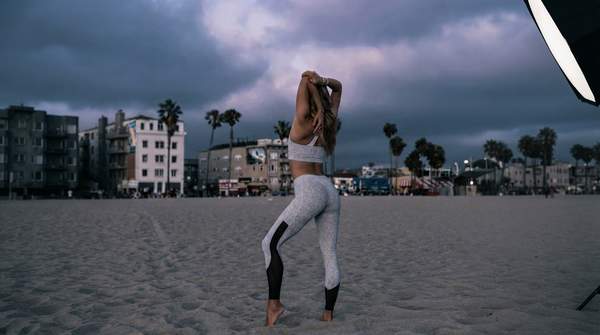
Searches for 'power bra' on global fashion platforms surged 350% in the last quarter, signaling a seismic shift in how women are choosing to express confidence through their wardrobes, according to Fashion Analytics Group. The 'power bra' and bold pink hues are embraced as symbols of female empowerment, but their rapid commercialization often prioritizes spectacle over universal wearability or sustainability. Based on current adoption rates and market response, these trends appear likely to dominate high-fashion and social media for Summer 2026, sparking debates about their true meaning and long-term impact on consumer choices.
The Runway to Reality: How Trends Take Hold
Spring/Summer 2026 runways at Versace and Balmain prominently featured structured bra-tops and corsetry, as reported by Vogue Runway. Celebrities like Zendaya and Dua Lipa quickly amplified this, sporting 'power bra' ensembles at high-profile events, driving massive social media engagement, notes E! News. This celebrity embrace swiftly translates high-fashion concepts into viral moments, setting the stage for broader adoption.
The pink craze is equally potent. Retail sales data shows a 28% increase in demand for pink apparel and accessories compared to last summer, according to NielsenIQ Fashion. Major beauty brands, including Sephora New Arrivals, are capitalizing by launching complementary 'power pink' makeup lines. This coordinated push across fashion and beauty signals a deliberate market saturation strategy, not just a spontaneous trend.
The Catalysts: Why Now?
A 90s and early 2000s fashion resurgence, where visible lingerie was common, provides a nostalgic backdrop, states Fashionista. This aligns with Gen Z's redefinition of femininity: 70% of Gen Z women associate 'power pink' with confidence and self-expression, not traditional femininity, according to Youth Culture Insights. This generational shift fuels demand for styles that challenge conventional norms.
Fast fashion retailers, like Shein, are already flooding the market with affordable replicas of designer 'power bra' and pink items, making them widely accessible for under $50, according to Shein Market Analysis and Market Research Firm. This rapid, low-cost replication is crucial for propelling trends from niche to ubiquitous, ensuring maximum market penetration.