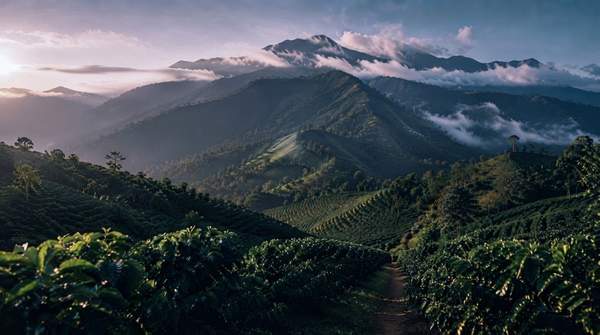
Coffee from different regions tastes distinct because geography shapes chemistry. The environmental conditions of a farm — its altitude, soil, and climate, together known as terroir — determine how quickly a coffee cherry matures, and slower maturation concentrates the sugars and organic compounds that become sweetness, clarity, and complexity in the cup. Understanding this cause-and-effect chain lets a buyer predict a coffee's likely character from its origin before the bag is ever opened.
Understanding Coffee Terroir: The Environmental Blueprint of Flavor
Terroir is the sum of the environmental conditions where coffee is grown, and specialty roasters treat it as one of the biggest influences on what ultimately appears in the cup. Achilles Coffee Roasters explains that coffee thrives under moderate temperatures, consistent rainfall, distinct wet and dry seasons, high elevations — especially for Arabica — and nutrient-rich soil. The reason these conditions matter is pace: coffee flavor develops slowly over time, and when cherries mature more gradually, their sugars and organic compounds become more concentrated. Terroir, in other words, is not a romantic label but a set of physical inputs with measurable sensory consequences.
Altitude: The Elevation of Flavor Complexity
Altitude is the most celebrated component of terroir, and its influence works through timing. According to Achilles Coffee Roasters, the altitude at which coffee is grown influences how quickly the cherries mature, which in turn affects the bean's density, sugar content, and acidity. At higher elevations, cherries take longer to ripen, and that extended maturation is what allows complexity to build rather than being rushed. The result is a denser bean with more nuanced flavor — the reason high-grown coffees are so often associated with brightness and layered character. Altitude shapes the bean's identity long before a roaster applies heat or a barista brews.
Soil Composition: The Groundwork for Distinctive Notes
Soil is where every coffee journey begins, and it plays a bigger role than many drinkers realize. Writing for Script Coffee, Kevin Durbin notes that different regions boast different soil types, each lending distinct characteristics to the bean. In Central America, volcanic ash feeds the plants with rich nutrients, contributing to bold flavor profiles full of chocolate and spice, while Kenya's sandy loam helps produce bright coffees with hints of blackcurrant and citrus. Methodical Coffee adds that volcanic soils are rich in potassium and phosphorus, often contributing to vibrant acidity and complexity, and that well-draining soils prevent overwatering, which can inhibit nutrient absorption and dilute flavor.