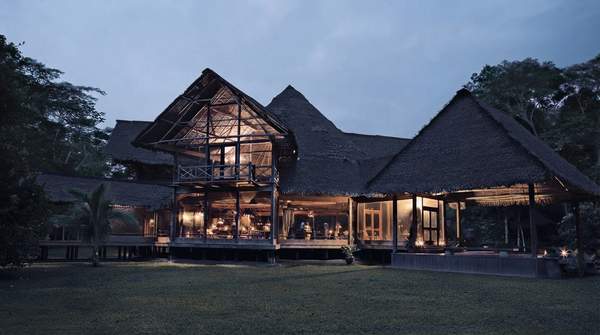
Peru's luxury travel sector surged an astonishing 192% last year, far outpacing established luxury destinations and signaling a significant shift in high-end tourism preferences. Peru's luxury travel sector surged an astonishing 192% last year, demonstrating a strong willingness among affluent travelers to explore novel regions, prioritizing discovery over familiar comforts and driving new experiential travel trends in the luxury market in 2026.
However, while overall overseas demand to the Caribbean grew only 1 percent, premium travel from South America is surging by 117%, with specific countries like Peru and Argentina seeing even higher growth rates. creating a compelling tension in the global luxury market, as travelers seek out more unique and immersive experiences.
Luxury travel providers who fail to innovate with unique, experience-driven offerings in diverse, often second-tier, destinations risk losing market share to more agile competitors who cater to these evolving preferences.
Peru's luxury travel sector experienced a remarkable 192% increase, according to abcmundial. This impressive figure is mirrored by Argentina, which saw a 164% rise in premium travel during the same period, according to abcmundial. The broader trend indicates luxury travel from South America increased by 117% over the past year, also as reported by abcmundial. signaling a fundamental reorientation of luxury traveler preferences, moving decisively away from traditional, established hotspots towards destinations offering fresh perspectives and authentic engagement. reflecting a growing desire for exploration within the luxury segment.
The Shifting Sands of Luxury Demand
Overseas demand to the Caribbean grew just 1 percent year over year, a moderation from prior gains of 21 percent and 8 percent, according to Luxury Travel Magazine, citing hotelnewsresource. and this modest increase stands in stark contrast to the vigorous expansion seen in emerging markets. Second-tier destinations, often characterized by their unique cultural or natural offerings rather than established luxury infrastructure, grew 2 percent year over year, while top-tier destinations held flat, according to hotelnewsresource. The stagnation in traditional luxury hubs and the consistent, albeit modest, growth in second-tier destinations highlight a market where value and novelty are increasingly prioritized over established prestige and predictable amenities. suggesting that the allure of the new is challenging the dominance of the familiar.

South America's Unprecedented Surge
The data underscores the dramatic shift in luxury travel:
- 117% — The surge in premium travel from South America year over year, according to hotelnewsresource.
- 192% — The increase in premium travel to Peru, with Argentina following at 164%, according to hotelnewsresource.
- 24% — The growth in demand from Latin American source markets year over year, according to hotelnewsresource.
The consistent and significant growth reported across multiple sources for South American luxury travel underscores its emergence as a dominant force in the high-end market. The consistent and significant growth reported across multiple sources for South American luxury travel illustrates that the region is not merely a fleeting interest but a sustained area of investment for discerning travelers seeking depth and distinctiveness.
The Experiential Imperative
The underlying reasons for this shift reveal a re-evaluation of value among luxury travelers. The average economy airfare from the U.S. to the Caribbean was $385, making the region 32 percent more affordable than South America, where the average fare stood at $569, according to hotelnewsresource. This tension between cost and choice is notable. Despite the Caribbean's comparative affordability, its luxury travel growth remained minimal, while South America experienced a substantial surge. suggesting that while cost remains a factor, the perceived value of unique, immersive experiences in destinations like South America is outweighing the lower price point of more traditional, less experiential options. Travelers are demonstrating a willingness to pay a premium for authenticity, cultural immersion, and adventurous exploration that many emerging South American destinations readily provide.
Curating Unforgettable Moments
Luxury providers are adapting by curating experiences that go beyond mere comfort. The Four Seasons Hotel Singapore, for instance, introduced outdoor padel and pickleball courts in January 2025, according to Outlook Luxe. Similarly, The Leela Palace Jaipur offers a 'Polo in the Pink City' experience in association with the Rajasthan Polo Club, according to Outlook Luxe. demonstrating how leading luxury brands are moving beyond traditional amenities to offer bespoke, activity-driven experiences that cater to the evolving desires of high-end travelers. Such offerings transform a stay into a memorable event, appealing to those who seek active engagement and unique local connections rather than passive relaxation.
The Future of Luxury Travel
Luxury brands must evolve their offerings to remain relevant to discerning travelers.
- The stagnation of top-tier destinations and the explosive 117-192% growth in South America signals that traditional luxury brands clinging to established locales risk becoming irrelevant to a new generation of experience-driven travelers, based on hotelnewsresource's data.
- South America is 32% more expensive for airfare from the U.S. than the Caribbean, yet experiencing vastly superior luxury growth, proving that perceived value and unique experiences now trump pure cost efficiency for the premium travel segment, as reported by hotelnewsresource.
- The dramatic 117% surge in premium travel from South America indicates that the region itself is becoming a significant, self-sustaining source market for luxury tourism, challenging the long-held assumption that luxury travelers primarily originate from Western economies, as detailed by abcmundial and hotelnewsresource.
The continued success of luxury travel will hinge on the industry's ability to innovate beyond traditional offerings, embracing authenticity and personalized experiences in diverse locations. Brands that understand and cater to this quest for novelty and genuine engagement will likely define the next era of high-end tourism, while those resistant to change may find their appeal diminishing.
Actionable Insights for the Industry
- Luxury travelers are willing to pay a premium for novel, regional experiences, as evidenced by South America's 117% surge despite higher airfares.
- The primary engine of luxury travel growth is shifting to intra-continental dynamics, with South American travelers fueling demand for high-end experiences within their own region.
- The appeal of destinations like Peru (192% growth) and Argentina (164% growth) is rapidly eclipsing established luxury hubs, indicating a preference for discovery over established prestige.
The next two years will likely see luxury brands vigorously adapting, with innovative operators, such as those pioneering new experiential offerings in destinations like Peru, aiming to capitalize on the 192% growth observed in such markets by 2026.