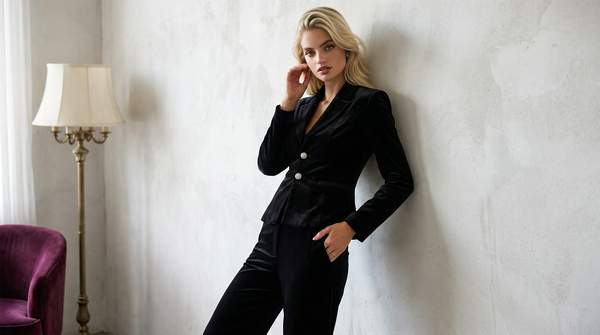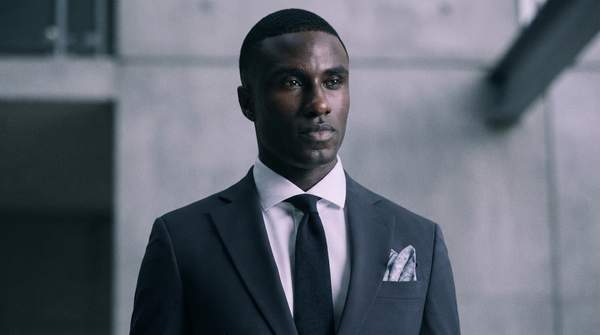
Modern tailoring is not a suit. It is a styling principle: take the structure traditionally associated with masculine tailoring—sharp shoulders, clean lines, defined jackets—and blend it with softer, more relaxed elements to create fresh, balanced proportions. Style commentators describe most contemporary outfits as exactly this kind of blend, mixing masculine and feminine pieces rather than dressing head-to-toe in one mode. Once you understand that principle, you can recognize the key garments of the trend—oversized and double-breasted jackets, wide-leg and high-rise trousers—and combine them deliberately.
Understanding Modern Tailoring: A Blend of Structure and Softness
Start with silhouette, the overall outline your clothes create from a distance. As the editors at SomethingChic explain, silhouette "sets the mood and style of an outfit" before fabric or detail even register. Masculine silhouettes lean on structure, tailoring, and clean lines—think straight-leg trousers, boxy or cropped jackets, and strong shoulders. Feminine silhouettes emphasize softness, movement, and a defined or suggested waist, often through drape, volume, or fluid fabrics.
Modern styling lives in the overlap. Rather than choosing one vocabulary, most current outfits combine elements of both: a structured jacket over a soft, draped piece, or fluid trousers under a sharp shoulder. Writing for Wanna, Jessica Vensor frames the same idea as a formula: combining tailored and relaxed pieces creates "fresh, wearable silhouettes for all-day style."
There is a second shift underneath the blend. A MioLook guide, citing researchers at the Fashion Institute of Technology, notes that modern tailoring is "moving away from rigidly constraining the body to creating illusory proportions." In other words, the goal is no longer to sculpt the body closely, but to construct new proportions that guide the eye. That is why comfort and fluidity keep appearing alongside polish in contemporary tailoring.
Classic vs. Modern Tailoring: A Comparative Guide
The clearest way to see the shift is side by side. Classic tailoring follows the body's lines closely and prizes a formal, uniform polish; modern tailoring relaxes the fit and treats proportion, rather than precision, as the main event. The table below contrasts the two approaches across four dimensions drawn from the style explainers above.
| Dimension | Classic Tailoring | Modern Tailoring |
|---|---|---|
| Silhouette Goal | A defined, formal outline that closely follows the body's lines, emphasizing rigid structure and contour. | Balanced, contemporary proportions built by blending structured and relaxed elements, with room for fluidity and comfort. |
| Key Garment Cuts | Structured blazers with defined shoulders and straight-leg trousers designed to trace the body. | Oversized or double-breasted jackets; wide-leg, high-rise, and straight-leg trousers that create new, often elongated proportions. |
| Typical Fit | Close-fitting, sometimes restrictive, with precision in measurements central to the look. | Relaxed and comfortable, allowing drape and movement while staying polished—fit guides the eye rather than constricting the body. |
| Styling Approach | Matching sets, traditional layering, and a uniform, conventional polish. | Mixing structured pieces with softer elements and playing with proportions for versatile, personal outfits. |
Read the table as a diagnostic, not a rulebook: a garment qualifies as "modern" when it relaxes the fit, stretches the proportion, or invites a softer counterpoint. Note that these are the principles described by contemporary style explainers, not a historical survey of tailoring—and the cuts listed are examples, not an exhaustive catalog.