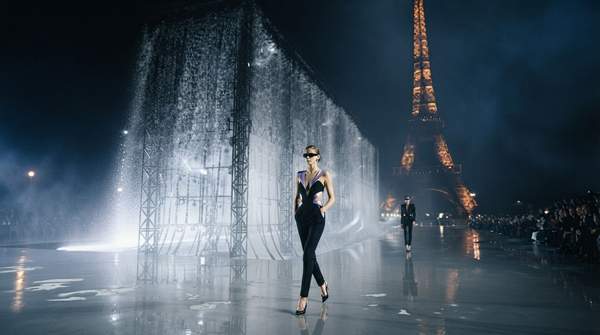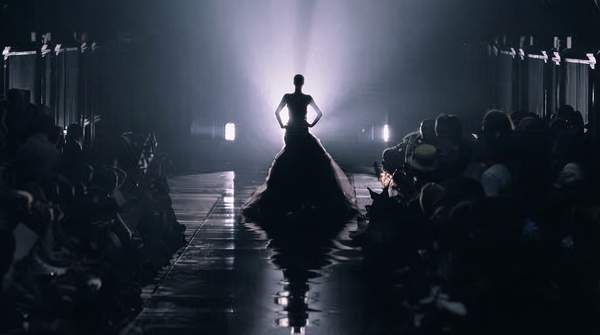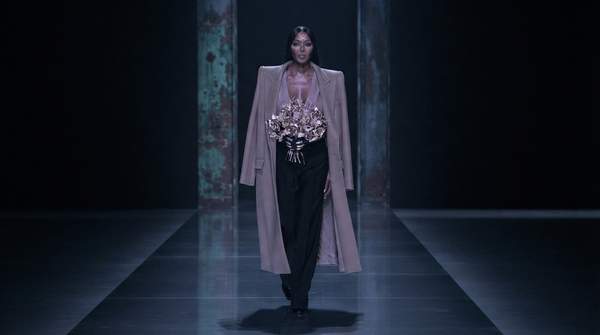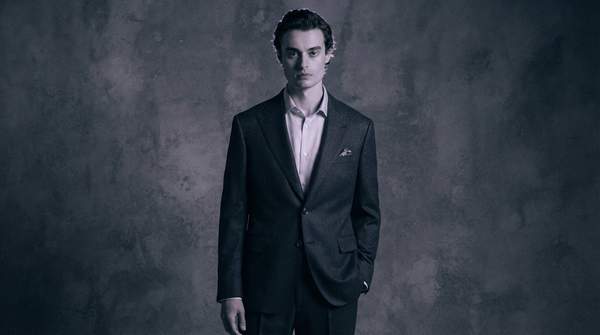
Modern tailoring is defined by three connected shifts away from the rigid suit of the past: relaxed and oversized proportions, soft construction in place of stiff canvas and heavy padding, and increasingly gender-fluid design. Writing for Fashion Times, Lara Galan describes contemporary tailoring as having "moved far beyond the rigid suits of the past," with designers experimenting across silhouettes, fabrics, and styling to make tailored clothing versatile for daily life. The practical payoff for shoppers is a wardrobe of blazers and trousers that work for both work and leisure—but only if you know which features to look for.
Understanding Modern Tailoring: A New Approach to Style
The resurgence of tailoring is not a return to formality. According to Fashion Times, contemporary tailoring embraces comfort "without compromising elegance, making pieces suitable for both work and leisure." That framing matters: the modern tailored garment is designed to be worn often and in varied settings, not reserved for boardrooms and weddings.
New Method Apparel makes the same point from a menswear angle, arguing that traditional tailoring's "heavy canvas, pronounced padding, and a formal, rigid shape" can be effective in the right setting, but that most men need pieces that work beyond a boardroom or wedding venue. The result is a category of softly structured jackets and overshirts built for everyday rotation. Fit remains personal, as the same source puts it—"Proportion is the rule"—but the proportion itself has changed.
Core Principles of Modern Tailoring
The three principles below do not operate in isolation. A relaxed silhouette only reads as intentional rather than sloppy when the construction is soft but considered, and gender-fluid design depends on both: adjustable and convertible details only make sense on garments with enough ease to serve different bodies. The table that follows isolates each principle and contrasts it with the traditional approach.
Modern Tailoring: Traditional vs. Contemporary Principles
| Principle | Traditional Approach | Modern Interpretation | Key Garment Feature |
|---|---|---|---|
| New Proportions | Rigid, structured fits—the "rigid suits of the past," as Fashion Times describes them. | Relaxed fits and oversized silhouettes that prioritize comfort while remaining suitable for work and leisure. | The oversized blazer. |
| Soft Construction | Stiff construction: heavy canvas, pronounced padding, and a formal, rigid shape. | Soft structure with light shoulder padding and softened shoulders, prioritizing effortless wearability. | Unlined or partially lined blazers with minimal padding. |
| Gender-Fluid Design | Clear distinctions between menswear and womenswear. | Gender-neutral collections and unisex designs that blur the line between the two. | Adjustable waistbands, convertible blazers, and fluid drapery. |
Use this model as a checklist: a garment that scores on two of the three rows—say, an oversized, unlined blazer—reads as contemporary tailoring, while a garment that scores on none is simply a traditional piece. The gender-fluid row deserves particular context. SARTALE's Anastasiya Weger names designers Harris Reed and Telfar as champions of unisex collections, and notes tailors reimagining classic pieces such as double-breasted jackets with cinched waists and wide-leg trousers that defy traditional gendered fits. Fashinnovation, meanwhile, frames gender-fluid fashion as both a design movement and "a political statement that brands are taking."