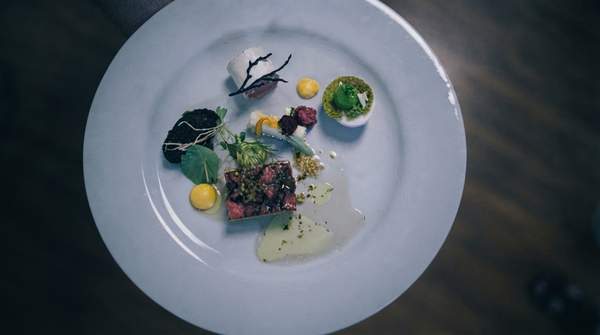
For the discerning traveler, the world’s culinary map is expanding. While traditional gastronomic capitals like Paris and Rome will always hold their allure, a new wave of destinations is capturing the attention of those who travel for flavor. These emerging hubs offer a journey into food scenes yet to be fully explored, promising authentic and deeply meaningful cultural experiences. According to Julia Carter, founder of Craft Travel, “less famed and documented, these under-the-radar gems can be slightly more challenging to discover. However, doing so promises a gastronomic adventure like no other.” This shift is becoming the very purpose of travel for many, as new studies show culinary trips are increasingly preferred over other popular travel types.
The Shifting Palate of Culinary Travel
The modern food traveler is seeking more than just a good meal; they are seeking a story. As travelers look for profound experiences, they are turning to food traditions that reveal the soul of a destination. This trend sees culinary exploration moving from a simple itinerary item to the central motivation for a trip. The act of sharing a meal places you inside a culture in a way few other activities can replicate. This growing appetite for authenticity is why cities once overlooked are now stepping into the limelight, offering unique narratives shaped by their history, geography, and people. From the high-altitude biodiversity of the Andes to the historic fusion of South American and Asian cultures, these destinations provide a fresh and exciting alternative to the well-trodden culinary path.
La Paz: A Symphony of Biodiversity and New Localism
In La Paz, Bolivia, a thrilling new era of cuisine is being defined by the region's incredible biodiversity and a focus on indigenous ingredients. Emerging as one of South America's great gastronomic hubs, its chefs are building on bold flavors found in meticulously sourced Amazonian products and high-altitude produce. A publication from Eater notes that many of the city's top culinary talents are alumni of Gustu, the celebrated restaurant from Claus Meyer that first connected La Paz to the global food scene. This movement is carried forward by chefs like Marsia Taha Mohamed of Arami, a restaurant that has become a defining force in modern Bolivian cuisine through its warm, contemporary tasting menus that champion local ingredients and traditions.